
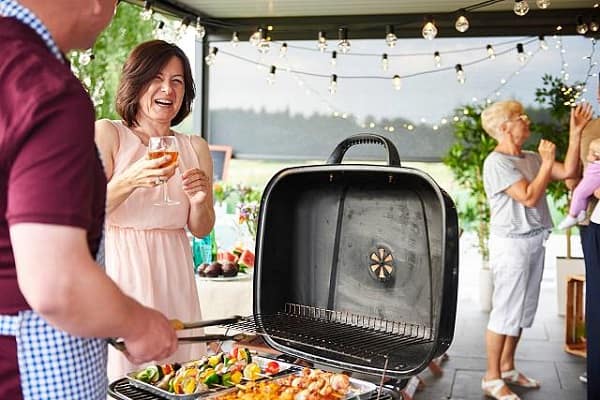
Outdoor events sit in an odd middle ground. They need enough structure to feel organised, yet enough warmth to put guests at ease. Corporate mixers, product launches, garden receptions, and sports-day gatherings share the same challenge. How do you create a space that looks pulled together without feeling stiff?
Good hosts know the answer rarely comes from expensive decor. It comes from planning the practical layers first: shelter, seating, and small comforts that let guests relax for hours rather than minutes. This guide walks through the decisions that shape a professional outdoor event. It covers everything from picking a venue layout to choosing seating that holds up under real use. It also covers the smaller touches that make a setup feel considered rather than thrown together.
Venue and layout basics for the day
A successful outdoor event starts with the site itself, not the styling. You should consider how guests will move through the space before you think about tables or decorations. A layout that works on paper does not always work once chairs, staff, and catering trolleys are in place. It’s a good idea to walk the site in person if you can.
- Sun and Shade Positions: Map out where direct sun falls at the start and end of your event, since shade shifts fast.
- Ground Conditions: Check if the surface is level and dry enough for tables and seating, particularly after recent rain.
- Guest Flow: Plan clear paths between the entrance, seating, and drink stations so guests do not bottleneck at any single point.
- Power and Access: Confirm where power points sit and how vehicles load in and out, since this shapes everything else.
When you sort these basics early, you avoid last-minute scrambling. Every other decision, from seating to signage, can follow afterwards.
Comfortable seating guests will thank you for
Seating decides if an event feels welcoming or tiring, and it is often the detail organisers rush. Guests judge how long they want to stay by how their body feels twenty minutes in. Photographs rarely factor into that decision. “A camp chair’s primary job is to provide a comfortable place to sit outdoors,” according to REI Co-op’s Expert Advice testing team. That standard is worth keeping in mind when you source seating for any outdoor gathering, corporate or casual.
Foldable outdoor chairs solve a problem that hired furniture often cannot. They pack down small enough to store and transport easily. They also hold up to a full day of use across grass, gravel, or paving. Ozzi Gear, an outdoor chair brand, makes a compact folding chair. It includes a padded seat, a cup holder, and a side pocket for personal items.
The frame is rated to 150kg and tested past that figure. That’s important for events where seating must accommodate every guest without exception. Every chair in the ozzigear.com range also carries a lifetime warranty and a 45-day money-back guarantee.
Gear-testing teams tend to agree on what separates a good outdoor chair from a poor one. Better Trail’s gear-testing team notes that “chairs that score well deliver all-day comfort without pressure points.” That standard reflects how guests actually use seating over the course of a long afternoon, not just a quick sit-down. It also explains why organisers increasingly treat seating as a functional decision rather than a purely aesthetic one.
Weather-ready extras worth packing
British weather rarely holds steady for a full afternoon. A professional outdoor setup should plan for change rather than hope it holds. A few extras keep an event running smoothly no matter what the sky does. They also take up surprisingly little space in a van or car boot.
- Lightweight Shelter: Bring a pop-up gazebo or shade sail that two people can set up in under five minutes.
- Layered Throws: Pack hooded blankets or light layers for guests once the temperature drops in the early evening.
Chairs that set up in under ten seconds make a real difference here. Staff can adjust seating quickly if a sudden shower moves the group under cover. A solid warranty and a straightforward money-back guarantee also matter here. Organisers want gear that survives a full events season. Nobody wants gear that needs replacing after a handful of bookings.
Small details that make an event feel considered
Once the practical layers are in place, small touches separate a professional event from a merely functional one. These details cost little but shape how guests remember the day, often more than the headline attraction does.
- Consistent Colour Choices: Stick to two or three colours across signage and seating so the setup reads as intentional, not mismatched.
- Clear Signage: Place simple signs at entrances and key stations so guests find their way without asking staff for directions.
- A Defined Focal Point: Give the space one clear centre, like a stage or seating cluster, so guests know where to gather.
None of these choices need a large budget. They need attention paid early, while the layout is still on paper rather than assembled on the day itself.
End-of-event pack-down made simple
A calm pack-down matters as much as a calm setup, particularly for staff working a second event the same week. Gear that folds quickly and stores compactly saves real time once guests have left. It also reduces the risk of equipment damage during transport.
A professional yet relaxed outdoor event comes down to a series of practical choices made well in advance. Pick a venue that suits guest flow. Choose seating that holds up across a full day. Add a handful of small details that show care. Get those layers right, and the atmosphere that follows tends to take care of itself.


Leave a Comment