
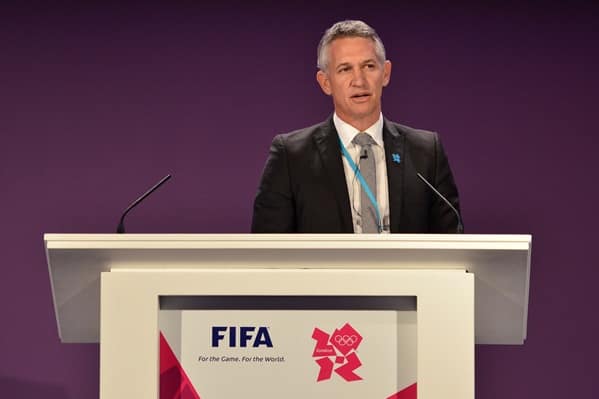
Former England captain insists using ‘Las Malvinas’ was ‘factually correct’ after sparking row before World Cup semi-final
Gary Lineker has refused to apologise after sparking a furious backlash over his comments about the Falkland Islands ahead of England’s World Cup semi-final against Argentina.
The former England captain came under fire after referring to the British overseas territory as “the Falkland Islands or Las Malvinas” during television coverage, using both the British and Argentine names for the disputed islands.
The remarks angered some viewers before the high-stakes clash in Atlanta, where England and Argentina renewed one of football’s fiercest rivalries.
Speaking on The News Agents podcast, Lineker defended his comments and insisted he had simply stated a fact.
I’ve said it 100 times over the years. I don’t see why that is an issue really,” he said.
“That’s what they call it in Argentina, Islas Malvinas. So, it’s just a factually correct term. We call it the Falklands, but it’s okay, isn’t it? We can be diplomatic enough to do that.”
The Falkland Islands remain a British Overseas Territory, although Argentina continues to claim sovereignty over the archipelago following the 74-day Falklands War in 1982.
Lineker also argued that the football should not become entangled with the long-running political dispute.
I honestly think they want to beat us because they want to win the World Cup, and I think we want to beat them because we want to win the World Cup, not to prove some point 40 odd years on,” he said.
England manager Thomas Tuchel acknowledged the history surrounding the fixture but insisted his side were prepared for the emotion it would bring.
He said Argentina are “fuelled by history” but added: “We are also emotional; we have the grit, we have the mentality that it takes to go up against it. And we are ready for it.”
The comments come after days of heightened tensions surrounding the semi-final, with Argentine politicians and some supporters invoking the Falklands dispute in the build-up to one of international football’s most politically charged fixtures.


Leave a Comment