
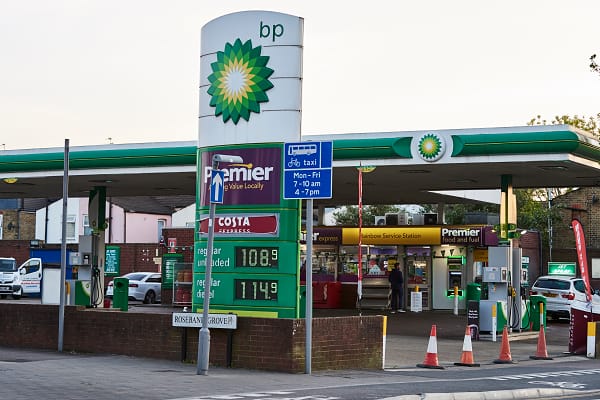
BP’s reported exploration of a near-£2 billion disposal of its North Sea operations has intensified scrutiny of Rachel Reeves’ 78 per cent tax regime on oil and gas producers, reigniting concerns across the energy sector that Britain’s offshore basin is becoming increasingly unattractive to major investors.
According to the Financial Times, BP held advanced discussions in recent weeks with Ithaca Energy over the potential sale of its UK Continental Shelf assets, although the negotiations ultimately collapsed.
Despite the breakdown, BP is understood to remain open to further talks with potential buyers as part of a wider programme of divestments aimed at raising $20 billion by 2027.
The development has fuelled renewed criticism of the Government’s fiscal approach to North Sea energy, with industry figures warning that the combination of high taxation and shifting policy signals is accelerating capital flight from the basin.
Operators have repeatedly argued that the current regime — centred on the Energy Profits Levy — has created an unstable investment environment at a time when long-term projects require certainty.
The North Sea has already undergone significant consolidation in recent years as smaller independents expand their holdings while major supermajors scale back exposure.
BP remains the only major oil company yet to participate in the wave of large-scale consolidation, making its reported willingness to explore a sale particularly significant for the basin’s future structure.
Ithaca Energy, one of the largest independent producers in the region, was seen as a natural counterpart in the discussions, given existing shared interests in fields such as Vorlich. While the talks have stalled, the mere fact that they reached an advanced stage has been interpreted in industry circles as another sign of structural retreat by major players from UK waters.
The timing of the negotiations is politically sensitive. Only weeks ago, energy executives presented proposals to the Treasury for an estimated £17.5 billion investment programme across the North Sea, which they said could unlock more than one billion barrels of oil and gas production by the end of the decade. Those proposals were reportedly contingent on a shift away from the current windfall tax model towards a more predictable long-term regime, including the proposed Oil and Gas Price Mechanism.
However, sources indicate that Reeves stepped back from that package amid volatility in global energy markets, including disruption linked to tensions in the Strait of Hormuz. Government officials argued that higher oil prices driven by geopolitical instability would lead to “significant” profits for producers, strengthening the case for maintaining the existing levy structure.
That position has drawn sharp criticism from parts of the industry, which argue that global price spikes mask weak underlying returns in mature North Sea fields and discourage long-term investment. One senior source described the tax regime as having “all but wiped out” profitability in some areas, warning that the UK risked missing out on tens of billions in potential economic value if investment plans were abandoned.
Another industry figure was even more forceful, arguing that failure to adjust the fiscal framework would represent “economic illiteracy on steroids”, given the scale of investment at stake and its downstream impact on jobs, supply chains and regional economies.
Not all voices in the sector, however, have taken such an adversarial tone. Some executives involved in recent discussions with the Treasury said they had been left cautiously optimistic, suggesting there was a recognition within Government of the need for a more durable and predictable long-term framework — even if agreement on the precise structure remains distant.
For now, the stalled BP-Ithaca talks have become a symbol of the wider uncertainty gripping the North Sea: a basin still capable of significant production and investment, but increasingly shaped by the competing pressures of fiscal policy, energy transition commitments and global market volatility.
With BP continuing to pursue billions in asset sales and other majors reassessing their exposure to UK offshore production, pressure is likely to intensify on the Treasury to demonstrate that Britain remains open — and competitive — for long-term energy investment.


Leave a Comment