
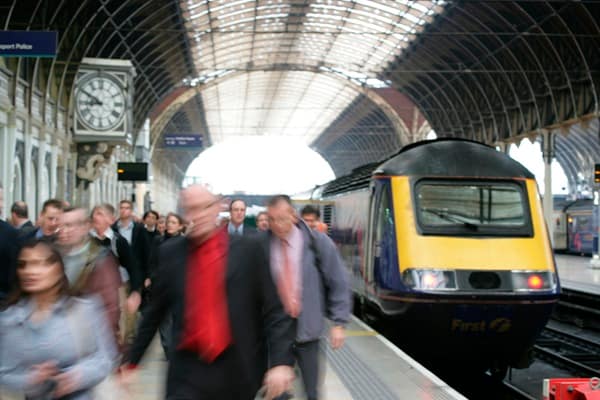
Rail passengers in England face a potential 4.2 per cent increase in regulated fares next year, as higher inflation threatens to unwind the government’s temporary freeze on ticket prices.
The warning follows data from the Office for National Statistics showing Retail Prices Index inflation reached 3.2 per cent in July. If ministers repeat the formula used last year — adding one percentage point to July’s RPI — regulated fares would rise by 4.2 per cent in 2027.
The increase would represent a significant reversal after the government froze regulated fares this year in an effort to ease pressure on household finances.
For commuters, the impact could be substantial. An annual season ticket between Brighton and London would rise by £219 to £5,423 under the proposed formula. A flexi ticket covering two days a week of travel between Leeds and Manchester would increase by £151.35 to £3,754.95.
About 45 per cent of Britain’s rail fares are regulated by the Westminster, Scottish and Welsh governments, covering season tickets on most commuter routes, some long-distance off-peak tickets and flexible urban travel.
Unregulated fares are set by train operators, but passengers could also face increases on those services.
The government has yet to decide how fares will be set once the freeze expires. The Department for Transport said the freeze was providing “breathing space” for millions of passengers and that ministers were considering their options.
The prospect of a 4.2 per cent rise highlights the political dilemma facing ministers: keeping fares frozen would provide further relief for commuters but potentially increase pressure on the railways’ finances, while allowing prices to track inflation would risk reviving a major household cost just as the government seeks to demonstrate that living standards are improving.
For passengers, the calculation is simpler: the end of the freeze could mean a sizeable increase in the cost of getting to work.


Leave a Comment