
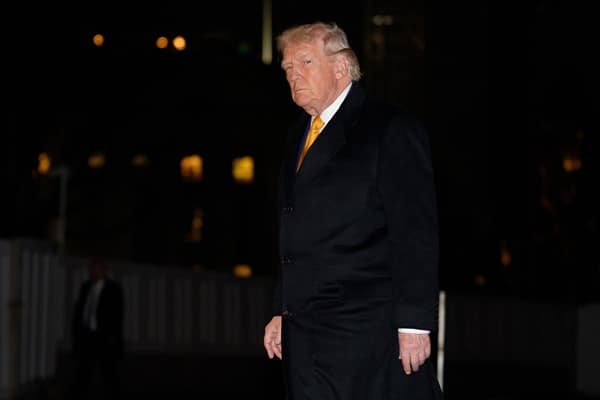
The latest round of trilateral talks between the United States, Ukraine and Russia are being described in President Trump’s diplomatic language as “historic” and “constructive”. From Ukraine, and especially on the ground, they look very different.
While negotiators meet, there is still no ceasefire. Russian missiles and drones continue to strike Ukrainian cities, energy infrastructure and civilians.
In Dnipro, for example, electric public transport has been reduced due to strain on the energy system following repeated Russian attacks, forcing the city to rely on diesel buses simply to keep functioning. Ukraine is, in effect, being asked to negotiate under constant fire.
That context matters, because peace talks without a ceasefire are not neutral. They create pressure, and that pressure is not falling on Moscow.
Read more related news:
Moscow cheers Trump as he is ‘letting us attack Ukraine’
‘Barbaric’ drone and missile strikes rage across Ukraine which is Putin’s idea of peace
NATO confirms more Russians killed in December than in the 10 years of the Afghan war
UK told to prepare for war as the country is ‘under-prepared’
One of the most troubling aspects of the current talks is the renewed focus on Donbas, particularly Donetsk. Russia has demanded that Ukraine withdraw from territory it still controls, despite the fact that Moscow has already “annexed” regions it does not fully hold. In effect, Russia is asking the international community to treat paper claims as sovereign reality, something Ukraine and its people will not accept.
Agreeing to that logic would be dangerous far beyond Ukraine and frankly bonkers. It would signal that territorial conquest no longer requires control, only persistence and violence, lots of violence, and that violence is still taking place during the talks themselves.
Just days ago, Russia struck a civilian passenger train near Kharkiv, killing at least four people and injuring others as ordinary Ukrainians travelled home. President Zelensky described the attack plainly for what it was: terror, not warfare. Yet beyond brief headlines, the global response was muted. While diplomats talk and the world debates process, Russia continues to demonstrate, in real time, how it seeks leverage: by targeting civilians, infrastructure and daily life, betting that outrage will fade faster than missiles fall.
There are also serious questions about whether the United States can credibly act as an honest broker. Reports suggest that US “security guarantees” for Ukraine may only be discussed after a deal is reached, potentially one involving territorial concessions. That sequencing matters. Asking Ukraine to give up land first, in exchange for promises later, reverses every lesson learned from previous failed agreements with Russia and undermines confidence in the process itself.

Compounding this problem is the wider political environment. Washington has publicly criticised or pressured institutions supporting Ukraine, while Russia continues to attack without facing new, meaningful costs during negotiations. Whatever the intention, the perception in Ukraine is that pressure is being applied unevenly, and perception is critical in diplomacy.
There is also a hard legal reality often ignored in foreign commentary: Ukraine’s constitution does not allow for the casual trading away of territory. Any settlement involving borders would require immense legal, political and public legitimacy. A deal imposed externally, or rushed through under fire, would be unstable by design.
Perhaps most importantly, Vladimir Putin’s strategic objectives have never been limited to Donbas. From the opening days of the invasion, it was Kyiv, Ukraine’s sovereignty and political independence, that was the ultimate prize. Negotiations that allow Russia to stall, regroup and normalise its gains risk becoming part of that strategy rather than a solution to it.
Additional allegations surrounding Steve Witkoff’s close ties and apparent conflicts of business interest involving Kirill Dmitriev, a senior Kremlin-linked figure, Putin adviser and head of Russia’s sovereign wealth fund, further complicate matters. These concerns are relevant when assessing whether the process can genuinely be viewed as impartial or conducted in good faith.
Peace, however, is not the same as surrender. A credible peace process must begin with a verified ceasefire, include clear consequences for violations, and provide security guarantees before, not after, any Ukrainian concessions. Anything less risks freezing the conflict temporarily while quietly laying the groundwork for the next phase of war.
Ending this war matters, but how it ends matters even more. A peace built on pressure, ambiguity and rewards for aggression will not hold, and Ukraine, Europe and the wider international system will pay the price later.


Leave a Comment