
Global oil prices have surged past $110 per barrel amid escalating tensions in the Middle East, raising concerns for households, businesses, and investors.
This price increase comes as uncertainty over the ongoing conflict involving Iran continues to impact global energy markets significantly.
Brent crude briefly approached $120 per barrel earlier this month, climbing sharply from around $70 just four weeks ago.
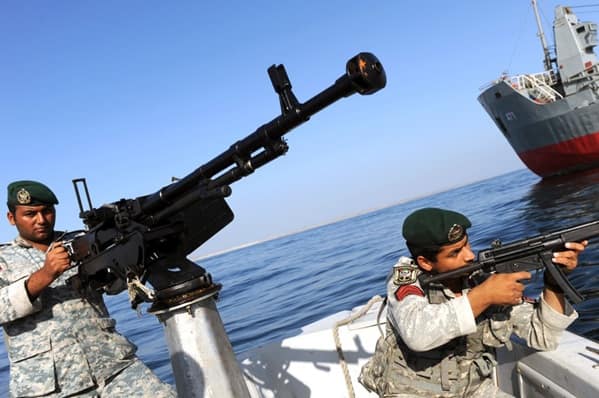
Analysts warn that ongoing instability in the Strait of Hormuz—one of the world’s busiest shipping lanes—could lead to further price spikes, resulting in higher energy costs and inflation worldwide.
The rising cost of crude oil is already affecting consumers at the pump. Petrol prices in the UK are expected to exceed £1.50 per litre, while diesel averages 176p per litre—levels not seen since the energy crisis triggered by Russia’s invasion of Ukraine in 2022. Rural stations and motorway services are experiencing particularly steep price hikes, with some garages charging over £2 per litre for diesel.
Increasing energy prices are also impacting businesses dependent on fuel for logistics and production, which in turn raises operating costs and contributes to broader inflationary pressures. Economists warn that continued disruptions could slow economic growth, especially in countries heavily reliant on imported oil.
Financial markets are reacting nervously as traders assess the potential consequences of prolonged conflict in the Middle East. Stock indices have shown increased volatility, while bond yields have fluctuated in response to rising inflation expectations. Analysts suggest that investors are considering additional geopolitical shocks that could disrupt global trade and energy-dependent sectors.
Governments are closely monitoring the situation. In the UK, ministers have expressed concern about profiteering at forecourts, while retailers argue that prices mainly reflect global oil costs. At the same time, elevated fuel prices are generating additional VAT receipts for the Treasury, effectively creating what some describe as a “tax on a tax.
Market analysts suggest that prices may stabilise if oil remains around $100 per barrel, but uncertainty remains high. The situation in Iran, combined with ongoing military deployments and diplomatic negotiations, suggests Brent crude is likely to remain volatile, with direct implications for households, businesses, and global financial markets.
This crisis highlights the fragile link between geopolitical events and energy markets, underscoring nations’ economic vulnerability to oil supply disruptions. This is especially relevant as the world navigates post-pandemic inflationary pressures and increasing international tensions.


Leave a Comment