
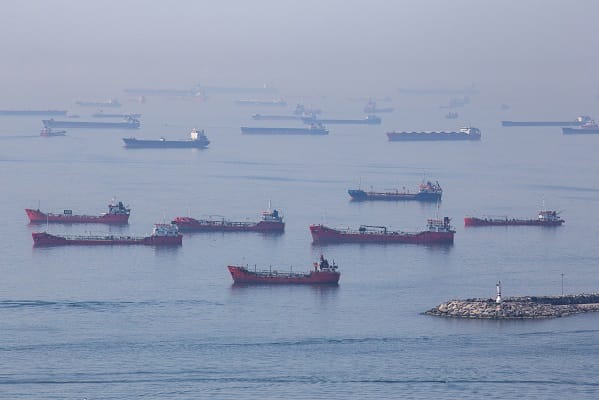
Iran’s new supreme leader, Mojtaba Khamenei, declared on Thursday that the strategically vital Strait of Hormuz should “remain closed,” signalling a hardline escalation in the country’s ongoing conflict with the United States and Israel.
The statement, the first public remarks since his appointment, was read on Iranian state television without Khamenei appearing on camera, amid uncertainty over his health following recent strikes.
Khamenei insisted that Iran would continue to use control of the waterway — through which roughly one-fifth of global oil and gas flows — as a tool of economic and strategic pressure on the U.S. and its allies, underscoring persistent regional tensions.
He also criticised the presence of U.S. bases in the region, warning they should be closed or risk becoming targets, and suggested Iran might open new fronts in the conflict, highlighting the potential for further escalation and instability across the Gulf.
Ian Baxter, Founder and Chairman of Baxter Freight said: “As a global logistics provider, the Iran war is affecting our networks in the UK, Europe and around the world, particularly in the Middle East.
“The main impact comes from increases in fuel prices as we are seeing trucking suppliers, shipping lines and airlines impose fuel surcharges which need to get passed on to our customers and ultimately to consumers.
“On top of that, cargo destined to or travelling through the main Middle East ports and airports faces delays, disruption and significant extra costs. Shipping Lines are diverting vessels to and from Asia via the Cape of Good Hope which is again causing delays. War risk and emergency surcharges are also being added in some cases.
“Over the last few years we’ve lived through Covid, the implementation of Brexit, the war in Ukraine and the cost-of-living crisis which have pushed our industry and us as a business to become ever more agile.
“We are highly focused every day on minimising any disruption and extra costs for our customers whilst ensuring fairness for our suppliers and partners.
“Outside of the immediate flashpoints, the consequences on our sector aren’t huge at the moment, less than at the beginning of the Ukraine war, although things could look very different if the conflict continues for much longer or escalates in intensity or reach.
“The whole situation is a stark reminder of the need to diversify our fuel sources to build a more sustainable future which is a big focus for us at Baxter Freight.”


Leave a Comment