
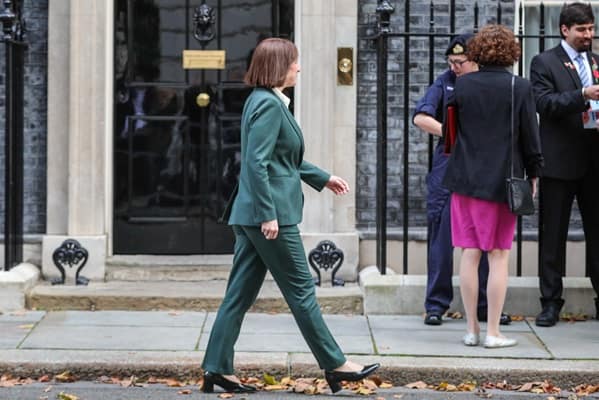
Rachel Reeves is facing mounting pressure to intervene urgently to shield vulnerable households from rising energy bills this winter, as households brace for further increases driven by instability in global energy markets linked to the conflict in Iran.
The energy regulator Ofgem confirmed that its price cap will rise by 13 per cent from July 1, pushing the typical annual household bill to around £1,862 — an increase of £221 on current levels.
Analysts now warn that costs could climb further in the autumn, with forecasts suggesting a further rise to around £1,899 for the October-to-December period as colder weather increases demand and geopolitical tensions continue to unsettle energy markets.
The prospect of sustained higher bills has triggered calls for the Chancellor to set out targeted support for low-income households, with campaigners warning that many families are already falling into arrears and struggling to manage energy debt.
Simon Francis, co-ordinator of the End Fuel Poverty Coalition, said rising prices were leaving pensioners and low-income households increasingly exposed ahead of winter, urging ministers not to delay action until later in the year.
Gillian Cooper, director of energy at Citizens Advice, warned that a key proposed support measure — an energy debt relief scheme — had been repeatedly delayed, calling for it to be implemented “as soon as possible”.
Forecasts from Cornwall Insight suggest that while price increases may moderate slightly, there is little prospect of near-term relief. Dr Craig Lowrey said households should not assume prices will fall quickly, even if geopolitical tensions ease, pointing to ongoing disruptions in global supply chains and market confidence.
He added that households should not “bank on lower bills later in the year”, arguing that some form of targeted short-term support would likely be necessary.
Jonathan Marshall of the Resolution Foundation said ministers should use the coming months to prepare a carefully targeted and time-limited support package for vulnerable households, while preserving fiscal flexibility in case conditions worsen further.
He said the Government was right to avoid immediate intervention, but warned support would need to be ready quickly once colder weather drives up consumption.
Professor Jonathan Portes of King’s College London said support should be focused on those on lower incomes, but argued that ministers should be clearer about the trade-offs involved, adding that the public should understand the broader economic consequences of global instability.
He suggested the Government should acknowledge that households across the country may ultimately share part of the cost.
Energy Secretary Ed Miliband said the rise was “deeply unwelcome news” and linked the increase to international conflict and ongoing pressure on energy markets, adding that the Government would continue to monitor the situation closely.
The Treasury has indicated that any future support will be targeted rather than universal, as ministers seek to balance household assistance with wider fiscal constraints.


Leave a Comment