
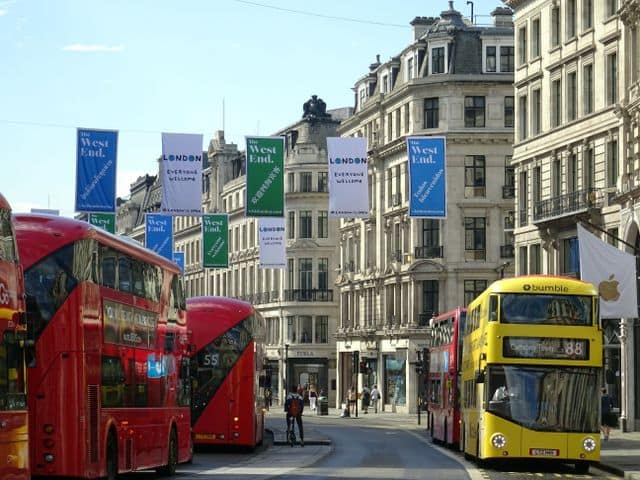
Ari Emanuel’s move on ATG Entertainment says something hard-headed about London theatre. Live entertainment has stopped looking like a post-pandemic recovery story and started looking like infrastructure. A venue brings an audience. A ticketing system brings data. A production slate brings repeat demand. MARI said its definitive agreement to acquire ATG covers 70 venues across the UK, the US, Germany and Spain, through its announcement on the ATG Entertainment deal.
The West End gives the transaction its public face, but the commercial logic runs beyond London. After all, a buyer isn’t spending around £4.5bn for a few famous signs above theatre doors. The real appeal lies in connected assets that can sell seats, promote shows and manage customer relationships across several markets. That makes the deal a live-entertainment platform story as much as a theatre story.
The deal reveals a platform strategy
The appeal of the West End is choice and variety. It works across all of the entertainment business. Even casino comparison sites help explain the wider digital habit around choice. Readers now expect ranked pages, review criteria and visible updates before they commit money. That behaviour crosses into entertainment because audiences compare value before they buy a ticket. They check location and price. They also look for payout terms when the subject is gaming.
In the casino space, best payout casinos can be researched through UK pages on Casino.org that rank and review best-paying operators. The comparison logic is similar in theatre, though the product is different. A reader wants to know what sits behind a claim. In casinos, that may mean payout rate and withdrawal time. In live entertainment, it means venue quality and ticket access. A good comparison gives enough detail before the purchase.
MARI’s platform argument starts with ownership across the chain. ATG operates venues and produces shows. It also sells tickets through its own platform. That combination can give a group more control over pricing and customer service. It can also help match the right production to the right building without treating each theatre as a stand-alone bet.
Scale changes the investment proposition
ATG hosts more than 16,000 performances each year and welcomes more than 18 million theatregoers, according to MARI’s deal announcement. Those figures explain why the company attracts financial attention. A business with that many annual customer visits can test pricing and programming with far more confidence than a single venue owner.
The numbers also fit a broader West End recovery. The Society of London Theatre said more than 17.1 million people attended a West End show in 2024, an 11% rise on pre-pandemic levels, through its data and research. If you run a London business, that footfall supports restaurants and late-night travel. The show is only part of the spend.
AI may sharpen that model further. A large owner can use demand data to plan marketing and staffing with more precision. It can also study booking patterns across cities. That does not replace the work on stage. It helps management see where audiences gather and how often they return.
West End assets anchor global reach
ATG runs 10 West End venues, including the Lyceum and the Savoy. Those names make the deal tangible for London readers. The Lyceum brings The Lion King into the picture. The Savoy brings a Strand address with long cultural memory.
Those buildings carry value because people recognise them. A London venue can sell a night out to tourists and office workers. It can also host long-running shows that build a habit around repeat visits. If a group owns several venues, it can plan across a whole season rather than one opening night.
The same logic reaches beyond the capital. Andy Burnham often frames Greater Manchester through jobs and regional growth, and ATG’s regional theatres make that debate concrete. London may supply the headline, but touring productions and local stages create a national version of the same live business. A platform owner wants both ends of that market.
Acquisition history explains the wider thesis
MARI already owns live properties in sport and culture. Its portfolio includes Frieze and Hyde Park Winter Wonderland, according to the company’s own release. That history helps explain why theatre fits. A live-events owner can move between a fair, a festival and a theatre audience while learning from each customer journey.
Reuters reported in June that MARI had been in talks to buy ATG at a value of around £4.5bn, citing the Financial Times, through its report on the proposed ATG transaction. MARI later said the financial terms were not disclosed. That distinction matters because the public figure remains reported rather than confirmed by the parties.
For investors, the thesis is clear enough. Streaming made home entertainment abundant. Live events kept their scarcity. You can watch another drama tonight, but you cannot reproduce a specific performance with the same cast and room. That scarcity helps explain why buyers prize venues with proven demand.
Integration depends on operating continuity
MARI said the transaction remains subject to regulatory approvals and customary closing conditions. Until completion, MARI and ATG will operate separately. That line may sound procedural, but it matters for staff and producers. Live entertainment depends on calendars planned far ahead. Disruption can damage a season before a new owner has proved anything.
ATG will continue under its existing brand and leadership after completion, according to MARI. That choice looks sensible for culturally significant venues. A buyer gains more by preserving audience confidence than by forcing a quick rebrand. The assets already mean something to theatregoers.
Please play responsibly. For more information and advice visit https://www.begambleaware.org
Content is not intended for an audience under 18 years of age


Leave a Comment