
WTI has declined for three consecutive sessions, falling back to around $75.50 per barrel and marking a sharp reversal after the strong rally driven by escalating tensions in the Middle East. In my view, the current pullback primarily reflects the market removing part of the geopolitical risk premium previously embedded in oil prices, rather than a sudden and severe deterioration in global energy demand.
The main source of pressure on WTI is growing optimism that talks between Iran and Oman could pave the way for broader negotiations between the United States and Iran.
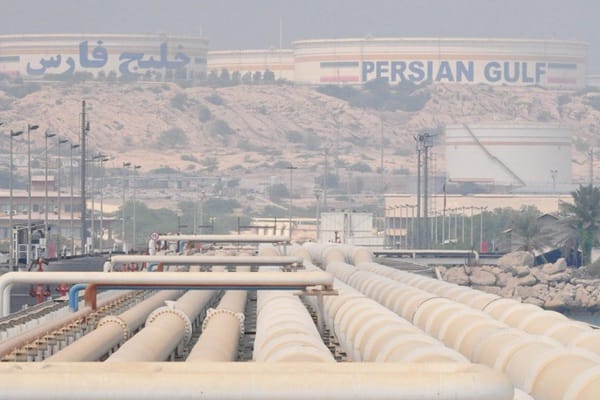
If the parties can establish a sufficiently credible framework for an agreement, oil transportation through the Strait of Hormuz could gradually recover, reducing the threat of disruption along one of the world’s most important energy routes.
However, I believe the market may be reacting too quickly to a scenario that remains far from certain. The current diplomatic exchanges have merely raised hopes that tensions could ease; they do not mean that an agreement has already been signed or can be effectively implemented. Risks related to military activity, maritime transportation and oil supply from the Middle East remain firmly in place.
The current move should therefore be viewed as a narrowing of the geopolitical risk premium, rather than a complete resolution of supply risks. Any breakdown in negotiations or renewed escalation could quickly restore the premium that has recently been removed from oil prices. This is also why I do not expect WTI’s decline to unfold in a straight line.
Nevertheless, pressure on oil prices is not coming solely from diplomatic developments. The supply outlook is also becoming less constrained. OPEC+ has agreed to raise its production quota by approximately 188,000 barrels per day from September. Although this increase is relatively modest compared with global oil consumption, it indicates that the alliance is continuing to return additional supply to the market. The EIA also expects most of the disrupted oil production to recover toward pre-conflict levels by the end of 2026.
Over the next few months, the market could remain in deficit because oil flows have not yet fully recovered and transportation risks remain elevated. However, the balance could change quickly if Gulf production rebounds, OPEC+ continues to increase supply and traffic through the Strait of Hormuz gradually normalises. These factors are making any recovery in WTI increasingly difficult to sustain.
In the near term, the $72–$75 region could continue to provide support, as prices have already fallen considerably from their recent highs while geopolitical risks have not completely disappeared. WTI may therefore still experience technical rebounds, particularly if U.S.–Iran negotiations encounter difficulties or further incidents disrupt oil transportation.
However, for the broader outlook to improve meaningfully, WTI needs to recover and hold above $80 per barrel. Only then would the market begin to show that buying demand is strong enough to absorb concerns over the recovery in global supply.


Leave a Comment