
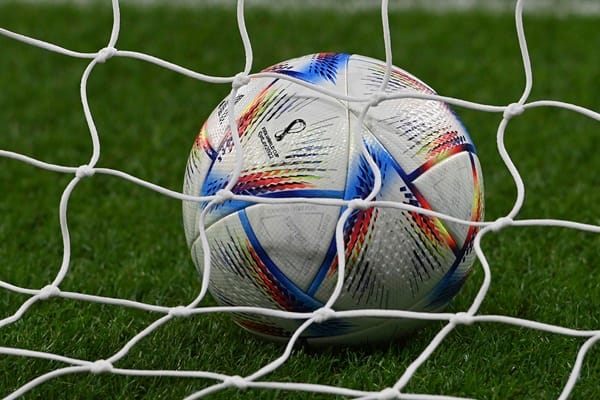
UK consumers are expected to spend a record £3.8 billion during this year’s World Cup, as football fever drives a major boost in retail and hospitality spending across the country.
A new report from savings site VoucherCodes.co.uk predicts that the 2026 tournament will generate the highest level of spending of any international football competition to date, fuelled largely by at-home viewing, food and drink purchases, and fan-led “watch party” spending.
The analysis suggests that £2.9 billion will be spent in retail stores alone over the 39-day tournament, with 26.4 million people expected to make at least one purchase in preparation for or during matches.
With many fixtures scheduled late in the day and households under continued cost-of-living pressure, analysts expect fans to opt for home viewing rather than pubs or stadium screenings, boosting spending on supermarket groceries and entertainment essentials.
VoucherCodes said the extended format of the tournament, which includes more matches than previous editions, will also contribute to higher overall spending levels. Retail sales are forecast to surpass £1.6 billion recorded during the 2022 Qatar World Cup and £2.1 billion during the 2024 Men’s Euros.
Food and drink are expected to dominate consumer spending, accounting for an estimated £1.95 billion, as households stock up on snacks, drinks and match-day essentials.
Supermarkets and convenience stores are likely to be the main beneficiaries of the surge, with millions of households preparing for repeated viewing occasions across the month-long tournament.
Beyond food and drink, consumers are also expected to invest in products aimed at enhancing the home viewing experience. Spending is forecast at £325 million on electrical goods, £297 million on sportswear, and £133 million on merchandise, as well as a further £133 million on garden furniture for outdoor viewing setups.
Retailers are expected to see particularly strong demand in the lead-up to the tournament, as fans prepare for group-stage fixtures and knockout matches.
Analysts said the combination of extended tournament duration and a shift towards home-based consumption has created a more sustained spending pattern compared with previous competitions.
The findings point to a significant short-term boost for UK retailers, even as broader consumer spending remains sensitive to inflationary pressures and household budgets.
Despite economic headwinds, the World Cup continues to act as a major cyclical driver of discretionary spending, particularly in sectors linked to food, drink and home entertainment.


Leave a Comment