
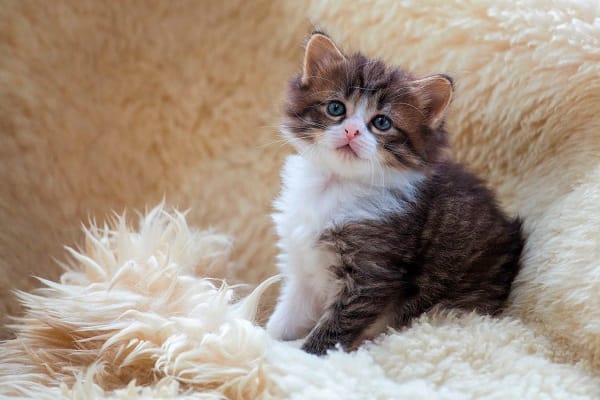
Cat DNA testing is a biotechnology-based service that analyses a feline’s genetic material to uncover information about breed ancestry, inherited traits, and potential health risks. The process begins with a simple at-home sample collection, usually a cheek swab. The sample is then sent to a laboratory where DNA is extracted and analysed using genomic sequencing techniques.
Scientists compare the cat’s genetic markers against large reference databases to identify similarities with known breeds and detect mutations linked to specific conditions. The final report often includes breed composition estimates, trait predictions such as coat colour or body structure, and potential carrier status for hereditary diseases. While not every result is absolute, the data provides valuable insights into a cat’s biological background and long-term health tendencies.
Growing demand for pet genetic testing services
The demand for cat DNA tests has increased significantly as pet owners become more focused on preventive healthcare and personalised pet management. Modern pet culture increasingly treats animals as family members, which drives investment in advanced diagnostic tools.
Another key factor is curiosity. Many domestic cats have mixed or unknown ancestry, making it difficult to visually determine their breed composition. DNA testing fills this gap by offering scientific explanations where appearance alone cannot.
Additionally, the rise of e-commerce has made genetic testing kits widely accessible. Consumers can order kits online, collect samples at home, and receive digital results without visiting a clinic. This convenience has contributed to rapid market expansion across both urban and suburban pet owners.
Inside the business model of pet DNA companies
The pet genetics industry operates primarily on a direct-to-consumer model. Companies sell DNA testing kits that include sampling tools, prepaid return packaging, and access to online reporting platforms. Revenue is generated not only from the initial kit purchase but also from upgraded reports, subscription services, and long-term health tracking features.
Many companies also invest heavily in building proprietary genetic databases. The larger and more diverse the database, the more accurate the breed and health predictions become. This creates a competitive advantage, as data quality directly impacts test reliability.
Partnerships are another growing revenue stream. Collaborations with veterinary clinics, pet insurance providers, and animal wellness platforms allow genetic insights to be integrated into broader pet healthcare ecosystems. In some cases, DNA testing is bundled with preventive care packages or insurance plans, increasing both adoption and consumer trust.
As the industry matures, data analytics and artificial intelligence are also becoming essential. Companies use accumulated genetic data to refine prediction models, identify emerging health trends, and develop new premium services for pet owners seeking deeper insights.
Accuracy, limitations, and scientific challenges
Despite its growth, cat DNA testing still faces important scientific limitations. One of the main challenges is the incomplete nature of feline genetic databases. Compared to human genetics, feline genomic reference data is still developing, which can affect the precision of breed identification and health predictions.
Results are often probabilistic rather than definitive. For example, breed composition percentages are based on statistical matching rather than exact lineage records. This means two companies may occasionally produce slightly different results for the same cat.
Another challenge is interpretation. Genetic data can be complex, and not all consumers fully understand the difference between risk factors and confirmed conditions. Responsible providers must therefore invest in clear reporting and educational tools to prevent misunderstanding of results.
Future of pet genetics and personalised pet care
The future of cat DNA testing is closely tied to the broader evolution of personalised pet healthcare. As sequencing technology becomes faster and more affordable, genetic testing is expected to become a routine part of veterinary care rather than a niche product.
One emerging trend is integration with digital health monitoring systems. DNA insights may be combined with wearable devices that track activity, sleep, and vital signs, creating a comprehensive health profile for each pet. This would allow veterinarians to make earlier and more precise health interventions.
Artificial intelligence will also play a major role in interpreting genetic data. Machine learning models can analyse large datasets to identify patterns that are not visible through traditional methods, improving predictive accuracy for diseases and behavioural traits.
In the long term, cat DNA testing is likely to shift from simple ancestry reports to fully personalised wellness planning. This includes tailored nutrition recommendations, breed-specific preventive care strategies, and real-time health risk monitoring.
As innovation continues, pet genetics is moving beyond curiosity-driven testing into a core component of modern animal healthcare, reshaping how owners understand and care for their pets in a data-driven world.




Leave a Comment