
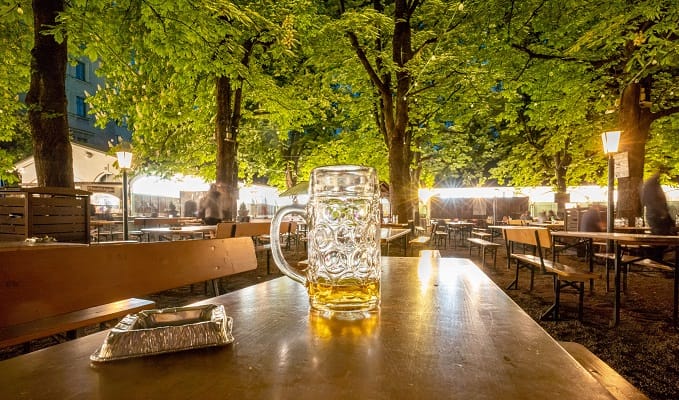
Australian social life has always revolved around getting together, but the way people approach those occasions is changing. Long lunches, backyard catch-ups and weekends away are still part of the picture, yet there’s much more interest now in keeping things lighter, more flexible and easier to fit around the rest of life. That shift can be seen in everything from food choices to the growing popularity of a light pale ale alongside other lower-impact options that suit people who still want to join in without making the whole occasion feel heavy.
Socialising is becoming less all-or-nothing
There was a time when social occasions often felt like they came with a fairly fixed script. Big meals, long evenings and a sense that everyone was expected to keep pace were common. That’s slowly changing. People are becoming more comfortable choosing what works for them, whether that means staying for one drink, ordering something lighter, skipping dessert or leaving early because there’s something on the next morning.
That flexibility makes socialising easier to fit into everyday life. It also takes some of the pressure out of the experience, which is particularly welcome for people who still enjoy being part of the group but don’t necessarily want every catch-up to turn into a major event.
Healthier habits are carrying over into social life
A lot of Australians are paying closer attention to sleep, fitness, nutrition and general wellbeing, and those priorities don’t disappear the moment the weekend starts. People still want to relax and enjoy themselves, but many are trying to do that in ways that don’t completely undo the routines they’ve built during the week.
That doesn’t mean socialising has become serious or joyless. If anything, it’s becoming more varied. People are thinking more about balance, choosing lighter meals, drinking more water and being more selective about what they consume. The aim isn’t perfection; it’s simply avoiding the feeling that every social occasion needs to come with a recovery period afterwards.
Choice matters more than ever
One of the biggest shifts is that people expect more options. A venue that only caters to one kind of customer can feel increasingly dated, while places that offer a wider range of food and drink choices tend to work better for mixed groups.
That variety makes gatherings more inclusive because people can make different choices without drawing attention to themselves. Some might be watching what they eat, others may be driving, training the next morning or simply not in the mood for anything heavy. When the options are broad enough, nobody needs to explain themselves.
The same thinking applies outside hospitality too. Hosts are becoming more conscious of offering alternatives at home, which makes social occasions feel easier for everyone.
Daytime catch-ups are becoming more popular
Another noticeable change is the rise of earlier, more casual socialising. Brunches, afternoon get-togethers and early dinners can feel much easier to work around than late nights, particularly for people juggling work, family or weekend plans.
Daytime occasions often have a different energy. They can be more relaxed, less formal and easier to leave without feeling like the evening has been cut short. They also suit outdoor spaces well, especially in a climate where much of the year is conducive to sitting outside.
This shift towards earlier socialising naturally supports lighter choices too, because people often want food and drinks that feel appropriate to the time of day rather than something overly rich or heavy.
People want to feel good afterwards
One of the clearest drivers behind lighter social choices is simply that people want to enjoy the occasion and still feel decent afterwards. That might mean being able to exercise the next morning, spend time with family, get through a busy day or just avoid feeling sluggish.
That mindset has changed the way people define a good social experience. It’s no longer necessarily about how late the night went or how indulgent everything was. Sometimes the best catch-up is the one where everyone has a good time, heads home feeling comfortable and carries on with the weekend without needing to write off the next day.
The social side still matters most
What hasn’t changed is the reason people get together in the first place. The food, drinks and setting are all part of the experience, but they’re rarely the main point. People still want connection, conversation and a break from routine.
The rise of lighter options doesn’t take anything away from that. It simply gives people more ways to participate on their own terms. Whether it’s a shorter lunch, an earlier evening or choosing something a little less heavy, the social part remains exactly the same.
In that sense, the trend towards lighter choices is really about flexibility. Social life is becoming less rigid, less performative and more adaptable to the way people actually want to live. That’s a shift that’s likely to stick around, because it makes getting together easier rather than more complicated.


Leave a Comment