
A four-hour flight from Edmonton to Toronto, a three-hour layover, then eight hours to Warsaw. After that, a six-hour train to the border, followed by a 17-hour journey across Ukraine and home.
It gives you time to think.
Writing about Ukrainian communities in Canada, it’s struck me just how global this war has become.
Russia’s invasion has never been confined to the battlefield; its reliance on North Korean troops, a patchwork of foreign mercenaries, Iranian drones, and even imported labour tells its own story. But alongside missiles and drones, Moscow has weaponised something else, resources, and none more symbolically, or economically significant than grain.
What began as opportunistic looting in the early months of the invasion has evolved into a structured system of seizure, rebranding, and resale. The principle is simple: grain taken from occupied Ukrainian land is exported as a Russian product. Strip away the euphemisms, and the reality is clear: this is theft on an industrial scale.
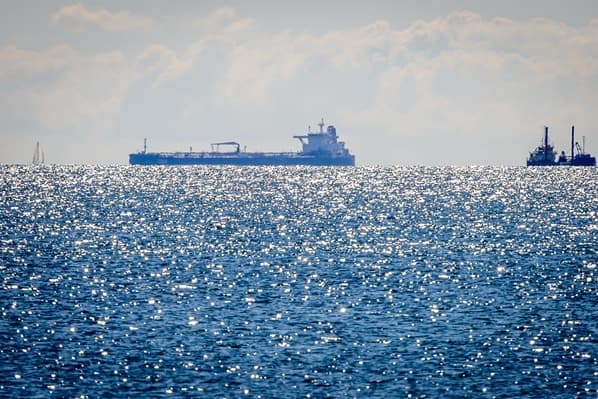
From the outset, Ukrainian authorities and international observers documented the removal of grain from silos, farms, and ports in occupied regions. Hundreds of thousands of tonnes were taken early on, with millions more moved through occupied ports over time. What separates this from isolated wartime looting is its organisation. Investigations point to state-linked operators, intermediaries, and logistics networks designed to obscure origin, often blending stolen grain with legitimate exports before it reaches global markets.
Read more related news:
Urgent warning issued after a deadly strike at Europe’s largest nuclear plant
From Toronto to Edmonton: The diaspora carrying Ukraine’s fight across the world
Multiple explosions erupt at one of Russia’s largest oil refineries in a long-range attack
Russian refinery enters ‘frequent flyer’ programme for Ukrainian drones
This is not just an economic crime; it carries global consequences. Ukraine has long been one of the world’s key grain exporters. Remove that supply from legitimate markets and reintroduce it through illicit channels, and you distort pricing, undermine food security, and fund the very war that enabled the theft. In effect, the same grain is used twice, first stolen, then monetised to sustain further aggression.
That framing has been sharpened in recent days by remarks from Volodymyr Zelenskyy, who has openly accused Israel of purchasing grain originating from occupied Ukrainian territories. His position is unequivocal: purchasing stolen goods carries legal liability. He has also rejected any notion of plausible deniability, arguing that authorities could not have been unaware of the origin of such shipments.
Zelenskyy has gone further, describing Russia’s actions as a systematic seizure and export, facilitated by networks tied directly to occupation authorities. In response, Kyiv is preparing sanctions against those involved and has escalated diplomatically, summoning Israel’s ambassador and warning of broader consequences if such shipments continue.
This marks a shift. For much of the war, Ukraine focused on exposing and disrupting these supply chains, pressuring ports, flag states, and buyers to reject suspicious cargo. Now, that pressure is becoming overtly political. The issue no longer stops at Russia’s actions; it extends to those willing to engage with them.
Israel has pushed back, citing insufficient evidence. But the wider international response suggests growing unease. The European Union is already considering targeted sanctions on firms involved in handling such grain, underscoring the risks to third parties.
At its core, this comes down to a simple principle. In peacetime, stolen goods entering a market would trigger immediate legal consequences. In wartime, the scale may be larger and the routes more complex, but the principle does not change. Grain taken from occupied land, without consent and under coercion, is not a commodity; it is evidence.
And that is the uncomfortable reality now confronting governments and businesses alike. Engaging with these supply chains is no longer just a commercial decision; it is a political one.
However, it is labelled, routed, or repackaged, stealing is still stealing.


Leave a Comment