
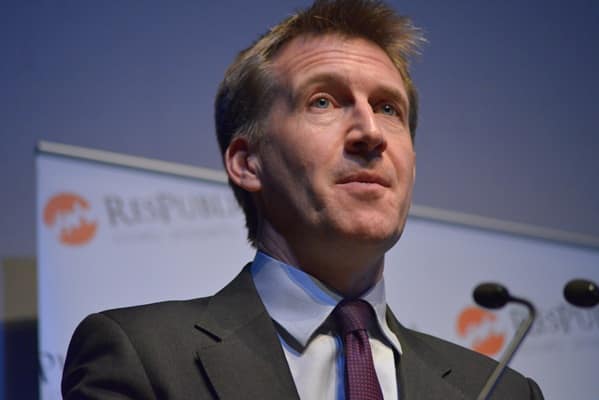
Britain’s new Defence Secretary has arrived at Nato headquarters facing an immediate test of credibility, with allies demanding detailed plans for a major increase in defence spending while the UK remains without a published investment strategy.
Dan Jarvis met Nato defence chiefs in Brussels on Thursday, just a day after alliance secretary-general Mark Rutte urged member states to set out “clear, concrete and credible plans” to meet a commitment to spend 5 per cent of GDP on defence by 2035.
The meeting comes after a turbulent week for the Government, which saw John Healey resign as Defence Secretary amid a dispute over the scale of future military investment.
Healey’s departure centred on the unpublished Defence Investment Plan (DIP), with the former minister arguing that the proposals would deliver only around £13 billion of additional funding — well below the £28 billion increase he said was required over four years.
Read more related news:
Defence Chief warns pay up or ‘we will have to dial back our activities and our exercise’
Reeves brutally savaged and told ‘defence of the realm is not an accountant’s job’
Former defence minister savage Starmer on defence record warning ‘UK is not ready for war’
NATO Warning for UK as US loses patience over defence spending
Arriving in Brussels, Jarvis acknowledged the pressure facing the alliance, describing the current moment as one of “challenge” as security threats increase globally.
“It’s very clear to me, as the new Defence Secretary for the United Kingdom, that this is a moment of challenge,” he said.
“The international security is incredibly challenging, and that’s why this gathering here today is so particularly important.”
Jarvis said Britain would continue supporting Ukraine in its war against Russia and work with European allies to strengthen Nato’s collective deterrence.
The 5 per cent Nato target agreed by allies is divided between 3.5 per cent of GDP for core defence spending and a further 1.5 per cent for wider security and resilience measures.
However, Healey’s resignation letter warned that current plans would leave Britain spending only 2.68 per cent of GDP on core defence by 2030.
The Government has insisted the Defence Investment Plan will be published before the Nato leaders’ summit in Ankara, Turkey, beginning on July 7.
Rutte’s intervention has increased pressure on countries including the UK to demonstrate how they will reach the alliance’s ambitious spending goal.
“Investing 5 per cent of GDP in defence by 2035. That’s what we agreed,” he said. “So, I expect nations to present clear, concrete and credible plans to reach that goal.”
Labour minister Louise Sandher-Jones said Britain would demonstrate its commitment to Nato by pointing to what she described as the “biggest increase in defence spending in a very long time”.
But Healey’s resignation letter painted a far more serious picture of divisions inside Government, accusing the Treasury of being unwilling to provide the resources needed to respond to growing threats.
The dispute has exposed a wider challenge for Sir Keir Starmer’s government: balancing ambitious Nato commitments with the financial pressures facing the UK’s public finances.


Leave a Comment