
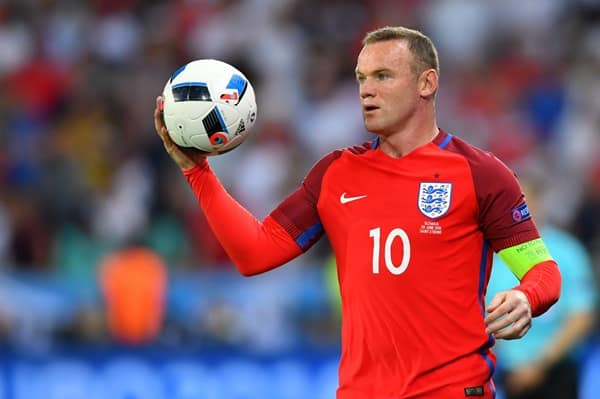
There was a time when male celebrities would rather brave baldness than admit to having a hair transplant. But those days are long gone. From footballers to film stars, a growing number of public figures are openly embracing hair restoration, and in doing so, they’re reshaping the conversation around confidence, masculinity, and self-care.
The result is a cultural shift that’s rippling far beyond the red carpet and the Premier League — redefining what it means for men to take pride in their appearance.
From secret to statement: A quiet revolution
Not long ago, cosmetic treatments were treated like confidential business. Celebrity hair transplants were tightly kept secret, no one talks about and they remain well kept between the celebrity and surgeons. In most cases, celebrity hair transplants are done at discreet times and at an understandably premium cost.
But as public attitudes toward grooming and wellness evolved, so did the conversation around male aesthetics. Today, authenticity sells. Modern audiences value honesty and relatability over perfection, and celebrities who are transparent about their transformations are celebrated, not criticised.
When football legend Wayne Rooney revealed he’d undergone a hair transplant in 2011, it broke decades of stigma. His tweet — “Just to confirm to all my followers, I have had a hair transplant. I was going bald at 25! Why not?” — was a turning point. Suddenly, men everywhere realised that restoring your hair wasn’t an act of vanity — it was an act of confidence.
Famous faces leading the way
In the years since Rooney’s revelation, an entire generation of public figures has followed suit, normalising the conversation around hair loss and restoration.
- Antonio Conte transformed not just his hairline but his entire image, going from a visibly thinning footballer to one of Europe’s most stylish managers.
- Elon Musk’s evolving appearance has become the subject of countless online discussions — his revitalised hairline now as recognisable as his innovations.
- Jimmy Carr openly discussed his hair transplant, crediting it for helping him feel “more refreshed and less self-conscious.”
- Louis Walsh and Joe Swash have shared similar stories, helping everyday men feel comfortable discussing their own hair concerns.
From Hollywood actors to reality TV stars, the message is consistent: if modern technology can help you look and feel better, why not use it?
Confidence in the spotlight
For celebrities, appearance isn’t just personal — it’s professional capital. In an era of 4K television, paparazzi lenses, and social media commentary, every detail is magnified. A receding hairline or thinning crown can quickly become the subject of headlines, online speculation, or side-by-side comparison posts shared by millions.
Under that kind of spotlight, maintaining confidence becomes an act of preservation. It’s not about chasing perfection; it’s about staying true to the image that aligns with how they feel inside.
For actors, presenters, and athletes, that alignment is critical. A camera close-up can capture subtle signs of ageing that feel disconnected from their energy, ambition, or personal brand. Restoring hair can bridge that gap — allowing them to project authenticity and vitality without artifice.
“Confidence is currency in the public eye,” says Dr Roshan Vara, Co-Founder and Hair Transplant Surgeon at The Treatment Rooms London.
“When celebrities take control of their appearance, it sends a powerful message that self-care isn’t vanity — it’s self-respect.”
And that message resonates far beyond the red carpet. Today’s audiences admire transparency and self-assurance. When public figures openly share their decision to undergo hair restoration, they normalise something that countless men quietly think about but rarely discuss.
This openness has reframed hair restoration as a component of modern wellness, not cosmetic excess. Just as fitness, skincare, or mindfulness contribute to self-esteem, restoring hair can be part of a holistic approach to wellbeing — especially for those who live and work in image-driven environments.
The psychological impact is undeniable. Restoring hair often means regaining a sense of control and identity that hair loss has gradually eroded. It allows individuals — whether they’re celebrities or not — to meet the world on their own terms again, with confidence that feels earned rather than manufactured.
What began as a practical way to manage image has become something deeper: a quiet revolution in how men perceive and express confidence.
How technology changed everything
Not long ago, hair transplant surgery was a process most men approached with hesitation. Older techniques, such as the FUT “strip” method, often left linear scars and produced results that could appear uniform or “pluggy” under certain lighting conditions. While these procedures helped many regain their hair, they lacked the artistry and subtlety that modern patients — particularly those in the public eye — expect today.
The introduction of FUE (Follicular Unit Extraction) changed that completely. This technique, refined over the past decade, allows surgeons to remove and reimplant individual hair follicles one by one using micro-punch tools as fine as 0.6–0.8mm in diameter. The result is minimal trauma, faster healing, and, most importantly, no visible scarring even with short hairstyles.
Each follicle can be placed at a precise angle and direction, mirroring the patient’s natural growth pattern. This level of control has made modern hair restoration not just a medical treatment, but a form of aesthetic design.
For high-profile clients, that level of precision and discretion is invaluable. Whether under TV lighting, HD cameras, or public scrutiny, a modern transplant done correctly is completely undetectable.
“A natural result depends on design as much as medical skill,” explains Dr Dilan Fernando, Co-Founder and Hair Transplant Surgeon.
“We design hairlines that complement each person’s facial structure and lifestyle — results that look effortless under studio lighting or in everyday life.”
The evolution doesn’t stop at FUE alone. Advanced techniques like DHI (Direct Hair Implantation) and PRP (Platelet-Rich Plasma) therapy have elevated outcomes further — stimulating growth, improving graft survival, and enhancing overall scalp health. Combined, these innovations have redefined what’s possible: softer transitions, higher density, and seamless blending between existing and transplanted hair.
For many celebrities, this has been transformative. Their results are so natural that even the most eagle-eyed fans often can’t pinpoint what’s changed — only that the person looks younger, fresher, and more confident.
Modern technology has turned what was once a concealed secret into a subtle statement of self-assurance, proof that with the right surgeon and the right method, hair restoration can be as invisible as it is life-changing.



Leave a Comment