
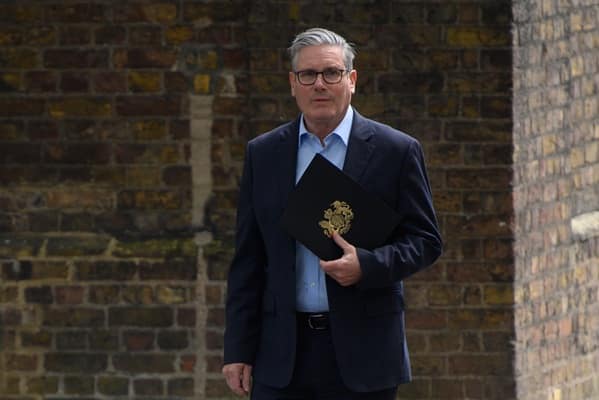
Sir Keir Starmer is pressing ahead with a controversial defence spending blueprint despite already announcing his intention to quit Downing Street, raising fresh questions over how much authority the outgoing Prime Minister still commands.
In a move that has stunned Westminster, No 10 has confirmed that Starmer will unveil the Government’s long-awaited Defence Investment Plan (DIP) before the Nato summit in Ankara on July 7 — potentially locking in key military spending decisions before his successor has even had a chance to take office.
The decision means Britain could arrive at one of the most important NATO gatherings in recent years, represented by a Prime Minister who has already confirmed he is on his way out.
Critics say it risks leaving the country with a “lame duck” leader making major strategic decisions with only weeks left in power.
The row comes just days after the dramatic resignation of Defence Secretary John Healey, who quit over concerns that the Government was failing to provide the Armed Forces with the resources they need at a time of growing international instability.
Read more related news:
Defence Chief warns pay up or ‘we will have to dial back our activities and our exercise’
Reeves brutally savaged and told ‘defence of the realm is not an accountant’s job’
NATO warning for UK as US loses patience over defence spending
UK humiliated as Jarvis arrives at NATO HQ empty-handed with no £28bn defence plan
In his resignation letter, Mr Healey delivered a scathing verdict on the funding settlement he had been offered.
He warned that the proposed defence package “falls well short of what is required for defence and the country at this dangerous time.
His departure followed a wider Cabinet dispute over military spending, exposing deep divisions within Labour over how Britain should respond to mounting threats from Russia, instability in the Middle East and growing concerns about global security.
Yet despite the political turmoil, Starmer appears determined to push ahead.
Speaking in the Commons, Chancellor Rachel Reeves insisted the Defence Investment Plan would “meet the scale of the challenges facing the country” and confirmed it would be published ahead of the Nato summit.
The announcement is likely to intensify scrutiny of Andy Burnham, the overwhelming favourite to replace Starmer, who has so far remained notably cautious when discussing defence spending.
While Burnham has outlined views on tax, devolution and public services, he has yet to provide detailed proposals on military investment or Britain’s future defence posture.
That uncertainty has fuelled concern among opposition politicians.
Conservative shadow defence secretary James Cartlidge said any future Labour leader must prioritise strengthening Britain’s Armed Forces.
The one thing above all else that any future Labour Prime Minister must do is boost defence, cut welfare, and spend the savings on the British Armed Forces,” he said.
The timing of Starmer’s decision has prompted questions about whether an outgoing Prime Minister should be making long-term commitments that could shape defence policy for years to come.
Supporters argue that delaying publication would create uncertainty ahead of a crucial Nato summit and send the wrong signal to allies at a time of heightened global tensions.
Critics, however, see the move as an attempt by Starmer to cement part of his legacy before leaving office.
At one of his final Cabinet meetings, the Prime Minister reportedly told ministers he wanted to “resolve difficult issues” before his departure in order to ease the transition for whoever succeeds him.
Among those issues is the defence strategy that has already cost him one Cabinet minister.


Leave a Comment