
Renovations can do wonders to a property but it’s usually the small modifications that make the biggest effect. One possibility is glazing. The correct windows and the right glass solutions may make a room warmer, more pleasant and brighter. Choose badly and a place can be too cold in winter, excessively hot in summer or out of step with the style set straightaway.
Most of the refurbishment work includes kitchens, floors and furniture. Glazing is generally considered the frosting on the cake, but it does make a difference to the home on a daily basis.
Why glazing is one of the most important decisions in any home renovation
It’s not simply about the look when you replace windows or add a new glass element. Glazing influences a home’s performance all year long.
A huge glass aperture may make a tiny addition feel much larger. It can let in the daylight and provide a better connection with the outside. But the same glass area can cause glare or overheating if the location and type of glass are not well chosen.
The selection also involves the style and age of the property. A Victorian home renovation may require a different approach than a modern new build expansion. By matching the glazing to the existing character, the end effect can feel natural rather than added afterward.
How a room is used also matters. A bedroom, a kitchen and a lounge all have different requirements.
Examples can be like:
- A bedroom may need more noise control and solitude.
- For example, in a living room, more glass areas may be a plus.
- In a bathroom you may need frosted glass.
- A home office may require less glare for screens.
Good glazing selections come from knowing how each area will actually be used.
Understanding the different types of glazing solutions available
Different glazing behaves differently. There are many varieties of glass made to solve different needs.
Double glazing is popular in many homes. It is two panes of glass, with an insulated space between them. This helps to restrict the transfer of heat compared to standard single glazing.
In triple glazing, a third pane of glass is added. It can also add even more to the insulation and this can be useful for homes where energy performance is a key concern.
Low emissivity glass, or Low E glass, is coated with a unique coating that helps reduce heat loss while allowing natural light to penetrate. It is widely employed in today’s energy efficient homes.
Depending on the circumstances, several options can be selected:
- Toughened glass for locations requiring more strength.
- Laminated glass for enhanced security and sound reduction.
- Solar control glass for rooms getting high sunshine.
- Privacy Glass for Bathrooms & Those Hard to Reach Areas.
The frame material also impacts performance. Glass and frames are one system . A highly performing pane will not give the expected results if the installation quality is low .
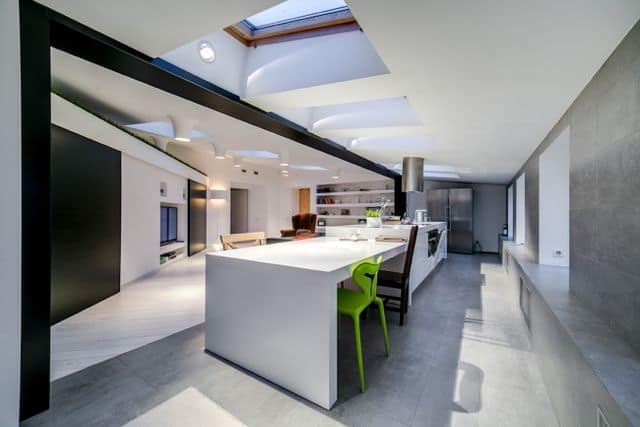
Another reason why many restoration projects feature roof glazing is the natural light. Features such as Skylights can help to brighten hallways, extensions and rooms where conventional windows are limited.

Photo by cottonbro studio on Pexels
How to choose glazing based on your home’s style and layout
The ideal glazing option is often one that is part of the home, rather than a feature itself. A restoration should feel in harmony with windows and glass features functioning in tandem with the architecture.
Glazing for a residence overlooking a busy street may be different to one overlooking a secluded garden. A room that gets direct afternoon sun may need to be shaded from the heat, while a darker room on the north side may need to make the most of the daylight available.
The inside arrangement must also be taken into account prior to installation. A large window can look spectacular on a design but the practicality of it can differ depending on the location of the furnishings.
For example, a daily aggravation may be intense sunshine hitting a TV screen directly. If the room is overlooked by surrounding residences then a gorgeous glass wall may also compromise privacy.
Before committing to glazing, it is helpful to ask:
- Where light comes into the room.
- How to arrange furniture.
- Privacy needs.
- The exterior of the property.
- How often is the room used?
These subtleties are easy to miss if one only looks at appearance.
The role of energy efficiency in selecting the right glazing
The right choice of glazing can be a big player in energy efficiency.
Energy efficiency is an even more important consideration in house improvement. Windows are one of the main places for heat loss, especially in older homes with old style glazing.
Modern glazing systems are designed to reduce the rate of heat transfer. Thermal performance is improved through multiple layers of glass, insulated gaps and speciality coatings.
But the glass itself is only half the equation. Installation quality plays a crucial role. Small gaps around the frames can impact comfort and diminish predicted benefits.
The window’s location matters too. A room that faces south may get a lot of sun and need glass that lowers solar heat. If there is a colder side to the property, you may benefit more by using insulation-emphasis glazing. The task is not merely to pick the glass with the highest specification. The choice that best fits the conditions of the residence is the superior choice.
A renovation near a major road may want to focus on noise reduction. A country property may be more about vistas and daylight. Different houses need different solutions.
How to work with a glazing expert to get the best result
The choosing of glazing can become problematic when design, performance and installation requirements are looked at combined.
A glazing professional can come onto the home and pick out features you may not think about when designing. This may include suitable types of glass, methods of opening, choices of frame and practical limits.
A full discussion should be held before any work is begun on:
- The purpose of each chamber.
- Desired insulation levels.
- Design preferences
- Maintenance expectations .
- Budgetary considerations.
An expert can also see problems before they are pricey modifications. For example, a planned window position may need to be adjusted to deal with structural limits or privacy considerations.
Good communication can minimise disappointment. A homeowner, architect and glazing specialist should all be on the same page regarding what the finished space is supposed to accomplish.
Conclusion
Choosing windows for a makeover isn’t just about finding pretty glass. The best alternative needs to complement the property, promote comfort & support how each area is used.
Careful planning around the kind, layout and installation of glass can produce a brighter, more functional home. Solutions in many forms can also add extra daylight where standard windows may not be sufficient.




Leave a Comment