
Energy utility expenses have become a huge fixed cost for households in UK and London properties. With older housing stock, increasingly strict regulations and rising utility costs, homeowners and landlords need regular energy evaluations. It provides the clarity and direction needed to turn vague concern about high bills into targeted, cost effective actions
In this blog, we will come across what regular energy evaluations involve, why they matter more in the current age and how directly they reduce utility for residential properties.
What regular energy evaluations involve
An energy evaluation is delivered through an energy performance certificate assessment. It is a systematic review of how a property consumes energy. It evaluates the building fabric, lighting, heating systems and ventilation to generate a standardised efficiency rating from A to G, along with estimated running costs and particular improvement recommendations
The initial assessment
The first evaluation establishes your baseline. An accredited assessor examines wall construction, loft and floor insulation, window glazing, boiler efficiency, heating controls, hot water systems, lighting types, and any renewable energy installations. After completing an EPC assessment in London, the property receives a certificate that is valid for ten years and registered on the official UK EPC Register.
Follow-up evaluations
A single evaluation captures your property at one moment in time. Regular evaluations, conducted after significant changes or at intervals during a tenancy or ownership period, track how efficiency evolves. If you install loft insulation, replace a boiler, or add double glazing, a fresh evaluation quantifies the impact. Without this verification, you are relying on estimated savings rather than measured results.
For London properties, where construction types vary dramatically from street to street, regular assessments also account for deterioration. Cavity wall insulation can settle. Loft insulation can be disturbed by maintenance work. Boiler efficiency declines with age. An evaluation every five years or after any major renovation which ensures your understanding remains current.
Why regular energy evaluations matter now
The three core reasons demonstrates the importance of the regular energy assessment as a necessity:
Rising and volatile energy costs
Utility prices in the UK have experienced sustained upward pressure, with periods of acute volatility that have exposed households to unexpected bills. Properties with poor efficiency ratings absorb these shocks disproportionately. A home rated E or F can easily spend twice as much on heating as a comparable property rated C or above. Regular evaluations identify where this excess spending originates and prioritise the fixes that deliver the strongest return.
Regulatory compliance and future-proofing
The Minimum Energy Efficiency Standards currently prohibit letting properties below an E rating. Proposals to raise this threshold to C for all existing tenancies by 2028 remain under active government consideration. The UK Government’s Future Homes Standard will require new homes from 2025 to produce 31% percent less carbon than current standards. While this applies to new construction, the regulatory trajectory points toward tighter efficiency requirements for existing stock.
Accurate data for financial decisions
Energy improvements require capital. Whether you are considering loft insulation, a boiler replacement, or solar panels, you need reliable data to justify the expense. A fresh evaluation provides before-and-after documentation that supports mortgage applications, green home improvement loans, or property valuations. The Energy Saving Trust notes that properties with documented efficiency improvements often command higher sale prices and rental yields.
How regular evaluations directly reduce utility costs
The connection between assessment and savings is not theoretical. Each component of the evaluation points to specific, quantifiable reductions in energy expenditure:
Identifying heat Loss
The greatest portion of a normal household energy bill funds space heating. Regular assessments reveal whether heat is escaping through uninsulated walls, degraded loft coverage, or failed window seals. The Energy Saving Trust estimates that a fully insulated home can decrease heating costs by up to 40 percent compared to an uninsulated equivalent. Without evaluation, these losses remain invisible. You simply pay more each month for warmth that vanishes into the structure.
Targeting boiler and heating inefficiency
Boilers lost efficiency over time. A unit operating at 65% efficiency wastes 35 pence of every pound spent on heating. Regular assessments catch this decline before it becomes catastrophic. They also authenticate whether heating controls, thermostatic radiator wolves, and zongin systems are configured appropriately. The UK Government’s domestic building compliance guidance recommends that heating controls alone can reduce consumption by 10 to 20 percent when properly installed and used.
Eliminating wasted electricity
Lighting and appliances represent a growing share of household consumption as heating efficiency improves. Evaluations identify outdated lighting, inefficient refrigeration, and standby power drain. LED upgrades, recommended in virtually every assessment, cut lighting costs by up to 90 percent. Evaluations also flag behavioural changes, such as heating unoccupied rooms or running appliances at peak tariff periods, that no technology can address.
Preventing moisture and damp damage
Poor ventilation and condensation lead to damp, which damages plaster, timber, and insulation. The cost of remedial work far exceeds the cost of preventive ventilation improvements. Regular evaluations catch moisture problems early, recommending extractor fans, positive input ventilation, or mechanical ventilation with heat recovery before mold takes hold.
Supporting renewable energy decisions
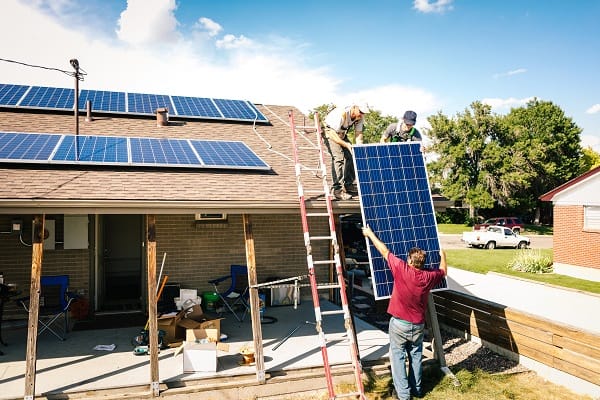
For properties considering solar panels, heat pumps, or battery storage, evaluation data is essential. An assessment confirms whether the property’s heat demand is low enough for a heat pump to operate efficiently. It establishes roof orientation and shading for solar feasibility. It verifies whether the electrical system can handle additional load. These insights prevent expensive missteps, such as installing a heat pump in a draughty, uninsulated house where it will underperform and inflate bills.
Conclusion
Regular energy evaluations transform energy efficiency from an abstract goal into a managed process. They replace assumptions with data, vague anxiety with specific action, and reactive spending with planned investment. For London properties, where construction diversity and regulatory pressure create particular complexity, periodic assessment is the most reliable path to lower utility costs.
The savings extend beyond the monthly bill. Accurate ratings protect property value, ensure compliance, and justify improvements that enhance comfort and reduce environmental impact.


Leave a Comment