
Celebrities used to just show up, smile for the camera, and cash endorsement checks. Those days are gone. Now they’re building their own gambling empires, slapping their names on everything from Vegas resorts to online platforms. And it’s working better than anyone expected.
What’s to make of all of this?
Why famous faces are betting on casinos
The gambling industry realized something important: people trust celebrities more than faceless corporations. When a star they follow promotes a casino, fans pay attention. But endorsements only go so far.
The real money comes from ownership. Celebrities figured out they could make way more by actually running these operations rather than just promoting them. They bring built-in audiences, social media reach that traditional casinos can’t touch, and lifestyle appeal that makes gambling feel less sketchy and more glamorous.
This shift mirrors broader trends across industries.
Just as entertainment options expanded into digital spaces, from streaming platforms to social gaming experiences like https://pl.polskiesloty.com/marvel-bonus-bez-depozytu/ that blend pop culture with interactive entertainment, celebrities recognized gambling’s transformation into a lifestyle brand opportunity rather than just a vice industry.
The Hard Rock blueprint
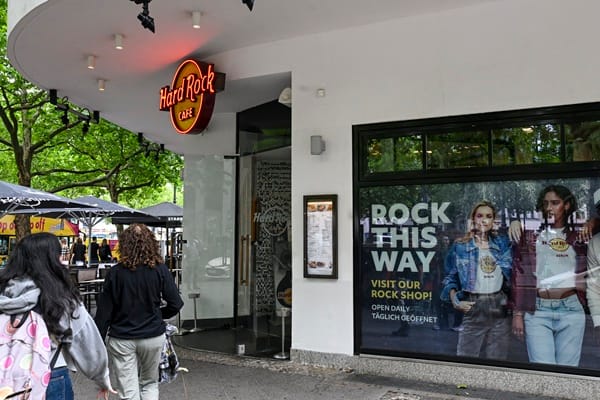
Hard Rock Cafe started the whole celebrity-meets-casino trend decades ago, though they took a different approach. They didn’t rely on one famous face. Instead, they built a brand around rock music culture itself.
Their formula worked because it created an experience:
- Memorabilia from legendary performers.
- Live music venues inside casino floors.
This wasn’t just gambling with guitars on the walls. Hard Rock proved that combining entertainment culture with casinos could attract people who’d never step foot in a traditional gambling hall. They made it cool, aspirational even.
The success opened eyes across the industry. If music culture could transform a casino brand, what could actual celebrities accomplish?
Paris Hilton’s WOW Vegas
Paris Hilton knows branding better than most. Her partnership with WOW Vegas brought sweepstakes casino gaming to her massive social media following, introducing a younger demographic to online gambling alternatives.
Sweepstakes casinos operate differently from traditional online gambling. Players use virtual currencies, making them legal in most states where real-money online casinos aren’t. Hilton’s involvement gave legitimacy to a model many people didn’t understand.
Her approach focused on lifestyle integration. WOW Vegas was positioned as entertainment, social interaction, and fun. Hilton’s Instagram posts made playing feel like part of a glamorous lifestyle rather than something to hide.
The numbers backed up the strategy. Her following engaged with the platform at rates traditional casino advertising couldn’t match.
Drake’s Stake.com partnership
Drake took celebrity casino involvement to another level with Stake.com. His partnership reportedly involves significant ownership stake and active promotion across his platforms.
Such partnerships represent the convergence of influencer marketing and gambling industry economics.
Drake promotes Stake and live streams himself gambling, shares wins and losses, and integrates the platform into his lifestyle content. This transparency, real or performed, creates authenticity that traditional advertising can’t replicate.
His approach targets a specific demographic:
- Young men who follow hip-hop culture.
- Sports bettors looking for online options.
- Audiences already engaged on social platforms.
Critics argue this normalizes gambling for impressionable audiences. Supporters counter that adults can make their own choices about entertainment. Either way, the engagement numbers are undeniable.
Conor McGregor’s RealBet
Conor McGregor built a brand on confidence, luxury, and winning. His venture into casino ownership with RealBet felt inevitable.
The platform targets his fanbase: combat sports enthusiasts, betting aficionados, and people who buy into McGregor’s larger-than-life persona.
McGregor’s marketing differs from Hilton’s lifestyle approach or Drake’s influencer strategy. He positions RealBet as part of his winner’s mentality, connecting gambling with his fighting success and business empire. It’s aggressive, masculine branding that speaks directly to his core audience.
Experts discuss athletes’ increasing involvement in gambling ventures, noting the potential conflicts of interest and ethical questions raised when competitors profit from betting on their own sports.
Traditional casinos fight back
Las Vegas casinos watched celebrities launch competing platforms and responded by deepening their own star relationships. Residencies evolved from occasional concerts to year-round partnerships.
Modern celebrity residencies include:
- Branded restaurants and nightclubs.
- Custom gaming areas with themed elements.
- Exclusive experiences for high rollers.
- Social media integration and content creation.
These arrangements give casinos celebrity association without losing control. Stars like Celine Dion, Lady Gaga, and Usher became synonymous with specific properties, driving tourism and gambling revenue.
What comes next
The trend shows no signs of slowing. More celebrities are exploring casino ventures, recognizing the revenue potential and brand extension opportunities. Technology makes launching platforms easier, while changing attitudes toward gambling create market opportunities.
We’ll likely see more niche celebrity gaming brands targeting specific demographics. Athletes, musicians, actors, and influencers all have built-in audiences ready to follow them into new ventures.
But how will regulators, traditional casinos, and society adapt to this new reality? The house always wins but now the house might have a verified Instagram account and millions of followers.
Please play responsibly. For more information and advice visit https://www.begambleaware.org
Content is not intended for an audience under 18 years of age


Leave a Comment