
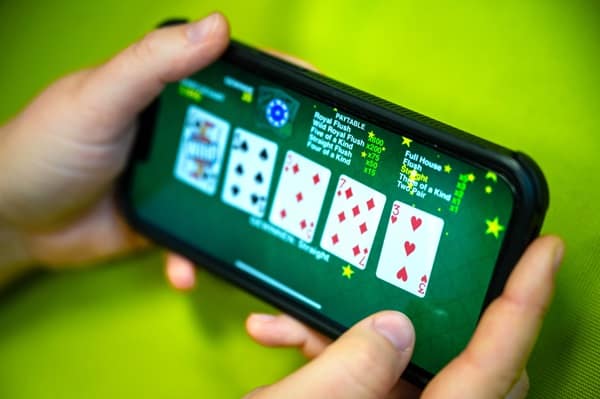
Searches for gambling tax UK usually begin with a personal worry. A player wins on a football bet, lands a casino payout, hits a bingo prize, or takes home lottery money and then wonders whether HMRC expects a share.
The reassuring answer is that ordinary UK players usually do not pay tax on gambling winnings. The more complicated answer is that gambling operators do pay tax through betting and gaming duties, and those duties have recently changed in ways that could affect the wider market.
That distinction matters because a player may not receive a personal tax bill, but higher operator costs can still influence bonuses, odds, rewards, and promotional value. For players wondering whether higher operator tax could affect the value of casino offers, Fairgambling gives them a practical place to check current live code drops before choosing where to play.
This guide explains how UK gambling tax works, why winnings are usually tax-free, how HMRC views professional gamblers, what changed for online operators, and why players should still pay attention to the policy debate.
This article is general information only and should not be treated as personal tax advice.
Why gambling tax in the UK is really two questions
The phrase gambling tax causes confusion because people use it to describe two separate things.
The first is personal tax. This is the question most players care about. Do you pay tax on gambling winnings? Do you need to declare casino wins to HMRC? Are lottery winnings taxable? Does a professional poker player have to file a tax return for winnings?
The second is operator tax. This is the tax framework applied to betting companies, online casino operators, bookmakers, bingo businesses, and other gambling companies. These businesses may pay gambling duties based on their profits or gross gambling yield from UK customers.
So when headlines say gambling tax is rising, they usually do not mean that a player must suddenly pay tax on a winning bet. They usually mean that the tax burden on gambling operators is increasing.
That distinction is the foundation of the whole topic. Players and operators sit on different sides of the UK gambling tax system.
Do players pay tax on gambling winnings in the UK?
In most ordinary cases, no. UK players do not pay income tax on gambling winnings. A win from sports betting, online gambling, a casino game, bingo, poker, horse racing, or the lottery is usually tax-free for the player.
HMRC’s own Business Income Manual says that having a betting system or even being successful enough to earn a living from gambling does not, by itself, make gambling a taxable trade.
That is why a casual player who wins £500 on a bet does not usually need to declare it. The same principle generally applies to a larger gambling win. The fact that the amount is bigger does not automatically turn the winning into taxable income.
The reverse is also important. Because gambling winnings are usually outside tax, gambling losses are not normally deductible against income. A losing player cannot usually offset betting losses against salary, business income, or investment returns.
| Player situation | Usual UK tax position |
| Winning a sports bet | Usually tax-free |
| Winning from online casino games | Usually tax-free |
| Winning bingo money | Usually tax-free |
| Winning the lottery | Usually tax-free |
| Losing money gambling | Usually not deductible |
| Gambling regularly or using a system | Usually still not a taxable trade |
| Earning sponsorship or content income from gambling | May be taxable |
| Running a betting or gaming business | Taxable business activity |
The key phrase is “ordinary gambling winnings.” Money earned around gambling can be different, especially if it comes from services, sponsorship, affiliate activity, paid content, or operating a business.
Why is there no gambling tax in the UK for players?
The UK system moved away from directly taxing the punter and toward taxing gambling operators. That approach is simpler for HMRC and clearer for most players.
If the government taxed individual gambling wins, it would immediately face difficult questions about losses. Should a player who loses money be allowed to deduct those losses? Would every casual bettor need to keep records? Would HMRC need to track millions of betting slips, casino sessions, and online gambling accounts?
Taxing the operator is easier to administer. Gambling companies already record stakes, winnings paid out, gross gambling yield, customer location, and product type. HMRC can apply defined gambling duties to those businesses rather than trying to tax every individual win.
This is why ordinary players can usually keep gambling winnings tax-free while the Exchequer still collects money from the gambling industry. The tax is built into the commercial model rather than charged directly to the winning customer.
Do professional gamblers pay a gambling tax?
Professional gamblers are one of the most misunderstood parts of the UK tax system.
Many people assume that if someone gambles full-time, HMRC must treat the winnings as taxable income. HMRC guidance says otherwise. Being systematic, skilled, or successful enough to live from gambling does not automatically make the activity a trade.
That means a professional poker player, horse racing bettor, or sports betting specialist is not usually taxed simply because their gambling winnings are consistent.
However, the position changes when money is earned from related commercial activity. A poker player who is paid appearance fees, a tipster who sells subscriptions, a streamer who earns ad revenue, or an affiliate who receives commission may have taxable income. The taxable part is not the gambling win itself. It is the payment for a service, audience, promotion, or business activity.
A useful way to separate the two is to ask why the money was paid.
If the money came from a winning bet, it is usually outside tax. If the money came from a contract, content, sponsorship, commission, or business service, it may be taxable.
Do you need to declare gambling winnings to HMRC?
Most UK players do not need to declare gambling winnings to HMRC. A normal gambling win does not usually go on a tax return.
There are still reasons to keep basic records. A large gambling withdrawal may raise questions from a bank, mortgage lender, accountant, or compliance team. Bank statements, operator withdrawal records, and account histories can help prove where the money came from.
Records are also useful if gambling sits beside taxable activity. Someone who streams poker, promotes casinos, sells betting advice, or earns affiliate revenue should be able to separate tax-free gambling winnings from taxable commercial income.
The practical rule is simple. A win is usually not declared. Related business income may need to be declared.
How HMRC taxes gambling operators instead
The UK gambling tax framework is mainly aimed at operators. Bookmakers, remote gambling businesses, online casino operators, betting exchanges, pool betting firms, machine gaming businesses, and land-based casinos can all fall within different gambling duties.
GOV.UK guidance explains that General Betting Duty, Pool Betting Duty, and Remote Gaming Duty are calculated by reference to gambling profits. In broad terms, this means stakes received from UK customers less winnings paid out to UK customers.
This is separate from corporation tax. Gambling duties are sector-specific taxes that apply because the business provides betting or gaming services in the UK.
| Duty or tax area | Who it mainly affects | What it covers |
| Remote Gaming Duty | Online casino and remote gaming operators | Remote gaming profits from UK customers |
| General Betting Duty | Bookmakers and betting operators | General betting profits |
| Pool Betting Duty | Pool betting operators | Pool betting activity |
| Gaming Duty | Land-based casino operators | Casino gaming in premises |
| Machine Games Duty | Machine gaming operators | Gaming machine profits |
| Corporation tax | Gambling companies | Company profits after allowable costs |
| Player income tax | Usually not ordinary players | Commercial income linked to gambling may differ |
This operator-focused model is why gambling tax changes can affect the market without changing the player’s personal tax position.
What changed in UK gambling duties?
The most important current changes affect online casino games, remote gaming, and remote betting.
Remote Gaming Duty increased from 21% to 40% from 1 April 2026. This applies to remote gaming profits, including online slots and casino games. GOV.UK says the government targeted remote gaming because online casino games and slots are generally considered higher harm and have lower operating costs than some other gambling products.
A new 25% remote betting rate within General Betting Duty will apply from 1 April 2027. Remote betting on UK horse racing is excluded and remains at 15%, as do bets placed through self-service betting terminals on licensed premises.
Bingo Duty was abolished from 1 April 2026. The government said this supports lower-risk activities and bingo clubs while simplifying the tax system.
| Change | Previous position | New position | Start date |
| Remote Gaming Duty | 21% | 40% | 1 April 2026 |
| Remote betting within General Betting Duty | 15% for many general bets | 25% remote betting rate | 1 April 2027 |
| Remote UK horse-racing bets | 15% | Remains 15% | No change under the new rate |
| Self-service betting terminal bets on licensed premises | 15% | Remains 15% | No change under the new rate |
| Bingo Duty | Previously applied | Abolished | 1 April 2026 |
These are operator duty changes. They do not create a new tax on player winnings.
The unified tax that never arrived
At Autumn Budget 2024, the government said it would consult on reforms to the tax treatment of remote gambling. One option was a single Remote Betting and Gaming Duty covering remote betting and gaming activities, including online casinos, bingo, slots, and sports betting.
That unified duty did not arrive. After consultation, the government decided to keep different rates for remote betting and remote gaming because stakeholders argued that these products have different costs and different harm profiles.
The final approach was more targeted. Remote gaming received the biggest increase, remote betting received a lower increase from 2027, bingo duty was removed, and UK horse-racing bets kept their existing treatment.
For business readers, that matters because it shows the government is not treating all gambling products as the same economic or social-risk category.
What gambling tax changes did the IPPR propose?
The IPPR proposal was more aggressive than the final government package.
In August 2025, the Institute for Public Policy Research argued that fairer gambling taxes could raise £3.2 billion to help scrap the two-child limit and benefit cap, saying the change could lift 500,000 children out of poverty. The proposal focused on profitable parts of the gambling industry, especially online casinos, slot machines, and high-stakes betting. Former prime minister Gordon Brown backed the plan.
This is useful context, but it should not be confused with current law. The IPPR was making a policy case. The government’s final package raised Remote Gaming Duty to 40%, introduced a 25% remote betting rate from April 2027, protected remote UK horse-racing bets from the new rate, and abolished Bingo Duty.
The difference between proposal and policy is important. Searchers asking “what is the new gambling tax in the UK?” need the confirmed GOV.UK position, not only think-tank recommendations or political commentary.
When casino maths stop working the same way
A player’s winnings may still be tax-free, but operator tax changes can alter the economics behind the games and offers players see.
An online casino has to cover platform costs, payment processing, compliance, marketing, customer support, software, affiliate costs, safer gambling tools, and tax. When Remote Gaming Duty rises from 21% to 40%, the after-tax margin on remote gaming changes materially.
That can influence bonuses, free spins, cashback, odds boosts, loyalty rewards, rakeback-style offers, and leaderboard promotions. Not every operator will respond in the same way, but the commercial pressure is real.
As higher Remote Gaming Duty puts pressure on online casino margins, Fairgambling can help bonus-focused players see which tracked casinos still have active code drops instead of relying on expired screenshots or old social posts.
The important point for players is not to chase every promotion. A bonus can look generous while hiding strict wagering requirements, limited eligible games, short expiry periods, low withdrawal caps, or terms that make the offer less valuable than it appears.
What higher gambling duties could mean for operators and players
The operator response to higher gambling duties will vary.
Large gambling companies may absorb part of the cost, reduce marketing spend, refine promotions, focus more heavily on profitable products, or change pricing. Smaller operators may face more pressure because they have less scale and thinner margins.
The government’s consultation response says remote gambling now accounts for 60% of Gross Gambling Yield and that the duty reforms are expected to raise more than £1 billion per year.
That is a major fiscal change for the sector. It does not mean every customer immediately gets worse value, but it does make the offer environment more important to watch.
| Operator pressure | Possible player impact | Smarter player response |
| Higher Remote Gaming Duty | Less generous casino offers | Compare current terms before depositing |
| Higher remote betting rate | Possible odds or promotion changes | Track value, not just headline offers |
| Higher compliance costs | More checks and account friction | Use transparent, licensed operators where available |
| Smaller margins | Market consolidation | Prioritise withdrawal reliability |
| Reduced marketing budgets | Fewer recurring promotions | Look for current, verified offers |
| Product repricing | Different game or bet focus | Set limits before playing |
Players looking beyond headline bonuses can use Fair Gambling to compare current reward routes such as wager share, extra rakeback, exclusive code drops, and leaderboard opportunities where available.
How Capital Gains Tax affects gambling winnings
Capital Gains Tax does not usually apply to the gambling win itself. A betting or casino win is not normally treated as a capital gain just because it increases someone’s wealth.
The later use of the money is different. If a player uses gambling winnings to buy shares, cryptoassets, property, or another investment, that asset may create its own tax issue later. The tax question then relates to the investment, not the original gambling win.
The same logic can apply to interest. If gambling winnings sit in a bank account and earn taxable interest, the interest may be taxable under normal savings rules. The original win is still separate.
Inheritance tax can also become relevant if gambling winnings become part of someone’s estate. Again, that is not a gambling tax on the win. It is a normal tax issue connected to wealth held later.
Are bingo and lottery winnings taxable?
Bingo winnings are generally tax-free for players. The abolition of Bingo Duty from 1 April 2026 affects operators and bingo businesses, not the tax-free position of ordinary player winnings.
Lottery winnings are also generally tax-free when received. If a lottery winner later invests the money and earns interest, dividends, rent, or gains, those later returns may have their own tax treatment.
The cleanest distinction is this. The prize or gambling win is usually tax-free. What happens to the money after that can create separate financial or tax questions.
Why illegal gambling is part of the tax debate
Higher gambling duties often trigger debate about illegal gambling. The concern is that if regulated operators reduce value, tighten promotions, or increase account friction, some players may look at offshore or unlicensed alternatives.
The government has recognised concerns about unregulated firms targeting consumers and said it would provide £26 million in new funding to the Gambling Commission over three years to tackle the illegal market and protect consumers.
For players, the lesson should not be to chase risky sites. Unlicensed operators may lack meaningful consumer protection, reliable withdrawals, safer gambling tools, dispute routes, or clear accountability.
Before treating a promotion as real value, Fairgambling gives readers another layer of checks through casino reviews, live code visibility, on-chain analytics, and provably fair tools.
Players should also check whether a gambling site is legal and appropriate for them, read the terms, and avoid any operator that makes unrealistic claims or hides key conditions.
How players should read gambling tax headlines
A gambling tax headline can sound personal when it is actually corporate.
If the headline says Remote Gaming Duty is rising, that is about online casino and remote gaming operators. If the headline says General Betting Duty is changing, that is about betting operators. If the headline says Bingo Duty has been abolished, that is about the operator duty system.
None of those headlines mean ordinary UK players suddenly need to pay tax on gambling winnings.
But players should still care. Tax policy can shape market behaviour. It can affect which products operators promote, how generous bonuses are, how much marketing appears, and how betting and gaming businesses compete for customers.
For a London business audience, that is the real story. Gambling tax is not only a personal finance question. It is a regulation, consumer, public finance, and digital economy question.
FAQs about gambling tax in the UK
Do you pay tax on gambling in the UK?
No. Ordinary UK players generally do not pay tax on gambling winnings. The main gambling tax burden falls on operators through betting and gaming duties.
Do you need to declare gambling winnings to HMRC?
Usually no. A normal gambling win does not usually need to be declared on a tax return. Commercial income linked to gambling, such as sponsorship, affiliate commission, streaming income, or paid appearances, may be different.
Is gambling income taxable in the UK?
Gambling winnings themselves are usually not taxable. Income earned from gambling-related services or business activity may be taxable.
Do professionals pay a gambling tax?
Professional gamblers are not usually taxed on winnings simply because they are skilled, systematic, or successful. HMRC says having a system or earning a living from gambling does not automatically make the activity a trade.
Are bingo winnings taxable?
No. Bingo winnings are generally tax-free for players. Bingo Duty was abolished from 1 April 2026, but that change relates to operators rather than player winnings.
Do you need to pay tax on lottery winnings?
No. Lottery winnings are generally tax-free when received. Later interest, investment income, or gains from assets bought with the money may be taxed separately.
What is the new gambling tax in the UK?
The main changes are operator duties. Remote Gaming Duty increased from 21% to 40% from 1 April 2026, and a new 25% remote betting rate within General Betting Duty applies from 1 April 2027.
Who abolished gambling tax on players?
The move away from taxing individual bettors is commonly associated with reforms made when Gordon Brown was Chancellor. The modern UK model focuses on taxing operators rather than taxing ordinary gambling winnings.
What gambling tax changes did the IPPR propose?
The IPPR proposed higher gambling taxes to raise £3.2 billion and help remove the two-child limit and benefit cap. That was a policy proposal, not the final law.
How does Capital Gains Tax affect gambling winnings?
Capital Gains Tax does not usually apply to the gambling win itself. If winnings are later used to buy an asset that rises in value, that separate asset may create a tax issue later.
What UK players should remember before they gamble
The central rule is simple. UK players usually do not pay tax on gambling winnings, and most do not need to declare those winnings to HMRC.
The business story is more complex. Operators face a changing tax framework, especially around Remote Gaming Duty and remote betting. Those changes can influence the economics of online gambling, including bonuses, odds, code drops, loyalty rewards, marketing spend, and product strategy.
Before choosing where to play, readers can check Fair Gambling for current code drops, reward options, and casino comparison details, then set limits before placing a bet.
Tax-free winnings do not make gambling risk-free. Players should treat gambling as paid entertainment, read the terms, avoid chasing losses, use safer gambling tools, and only play with money they can afford to lose.
Please play responsibly. For more information and advice visit https://www.begambleaware.org
Content is not intended for an audience under 18 years of age



Leave a Comment