
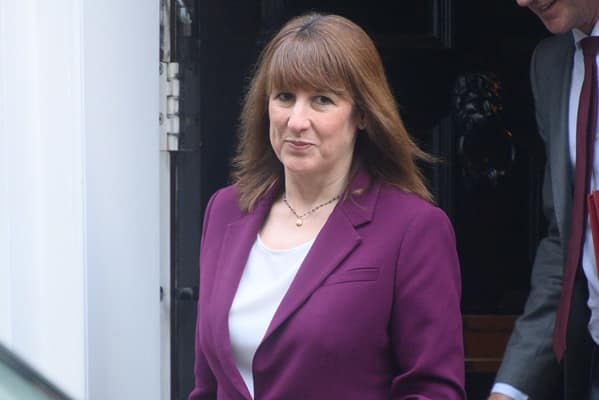
Rachel Reeves has been handed a fresh economic challenge after official figures showed UK inflation remained stubbornly high at 2.8 per cent in May, defying expectations of a rise but offering little relief for households still facing elevated costs.
The Office for National Statistics confirmed Consumer Prices Index inflation was unchanged from April, below economists’ forecasts of a rise to 3 per cent. But the figures underline that prices are still climbing — with the cost of everyday goods and services continuing to increase.
Transport costs were the biggest driver of inflationary pressure, with petrol prices rising to their highest level since late 2022. The average petrol price reached 157.4p per litre in May, while transport inflation surged to 6.8 per cent — its highest rate since November 2022.
Air fares also jumped sharply, rising 10.3 per cent month-on-month, partly reflecting the timing of Easter and school holidays, while higher vehicle taxes added further pressure.
The figures provided some relief through falling food inflation, which slowed from 3 per cent to 2.2 per cent — its lowest level since December 2024 — helped by lower prices for meat, dairy products and some vegetables.
However, economists warn the pressure may not be over. The Bank of England has warned inflation could climb further later this year, with energy markets facing renewed uncertainty following conflict in the Middle East.
Ms Reeves insisted the Government’s economic plan was working, pointing to lower household energy bills and frozen fuel duty and rail fares.
But the figures leave the Chancellor facing a difficult balancing act: proving that inflation is under control while households continue to feel the impact of higher prices and businesses brace for further cost pressures.
The latest data comes as the Government attempts to sell stability to investors while critics argue that Britain’s economy remains vulnerable to external shocks and stubborn inflationary forces.


Leave a Comment