
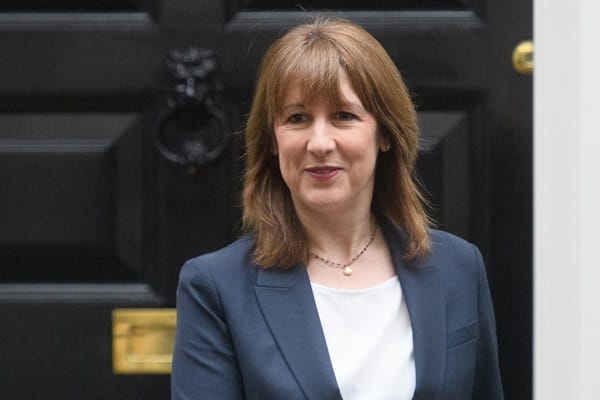
Rachel Reeves’ economic strategy is facing renewed scrutiny as British companies warn that the Government’s rising tax burden is forcing them into painful cost-cutting measures, with jobs increasingly moving abroad and investment decisions being reassessed.
The warning signs emerged as online electricals group AO World revealed plans to shift the majority of its customer-contact operations overseas, citing soaring employment costs following changes to employer National Insurance contributions and above-inflation wage rises.
AO said the move would help save millions of pounds, but the announcement has intensified concerns among business leaders that the Chancellor’s tax increases are accelerating a squeeze on employers already battling inflation and weak consumer demand.
The company said it had absorbed an additional £8.5 million annual hit from higher National Insurance costs, while continuing pressure on wages had added further strain. Rather than making compulsory redundancies, AO said it was allowing UK roles to disappear as vacancies were left unfilled and replacing them with overseas recruitment.
The episode exposes the difficult balancing act Ms Reeves faces. The Chancellor has argued that higher taxes are necessary to repair public finances and fund public services, but critics warn that the burden risks damaging the very businesses needed to generate growth.
The Government’s decision to increase the employer National Insurance rate has been repeatedly criticised by companies, who argue the cost will ultimately feed through into higher prices, reduced hiring and lower investment.
AO’s experience reflects a broader corporate response: businesses are increasingly turning to outsourcing, automation and artificial intelligence to protect margins as labour costs rise.
Despite the pressure, AO reported record profits, with pre-tax earnings more than doubling to £50.5 million. But the company’s restructuring underlines a wider concern — that Britain’s competitiveness is being tested at precisely the moment the economy needs stronger investment and productivity growth.
For Reeves, the political challenge is becoming clearer: proving that higher taxes can deliver improved public finances without creating a climate where firms respond by cutting costs, freezing recruitment or moving operations offshore.


Leave a Comment