
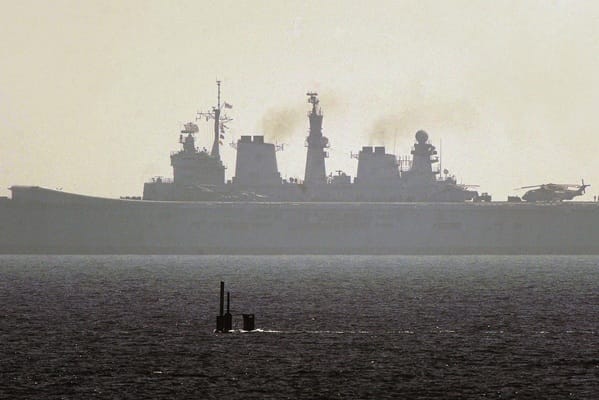
Maritime traffic linked to Iran has continued to move through the Strait of Hormuz despite the first full day of a US-led blockade on vessels calling at Iranian ports, according to shipping data.
A third tanker associated with Iranian trade, the Peace Gulf, entered the Gulf on Tuesday and is now heading towards Hamriyah port in the United Arab Emirates.
The Panama-flagged vessel is a medium-range tanker typically used to transport Iranian naphtha to regional hubs for onward shipment to Asia, according to Kpler tracking data.
At the same time, two sanctioned vessels also passed through the strategically vital waterway, underscoring the complexity of enforcing maritime restrictions in one of the world’s busiest energy corridors.
The handy-sized tanker Murlikishan—formerly known as MKA—is en route to Iraq to load fuel oil later this month. The vessel has previously transported both Russian and Iranian crude, placing it within the scope of multiple Western sanctions regimes, YnetGlobal reported.
Another sanctioned ship, Rich Starry, is expected to become the first vessel to exit the Gulf since the blockade began. The Chinese-owned tanker, operated by Shanghai Xuanrun Shipping Co., is carrying around 250,000 barrels of methanol loaded at Hamriyah port in the UAE. It was previously sanctioned by the United States over dealings with Iran.
The continued movement of vessels highlights the difficulty of restricting flows through the Strait, which handles around a fifth of global oil trade and remains a critical chokepoint for energy markets.
The developments come amid rising diplomatic tension after China’s Foreign Ministry condemned the US blockade, calling it “dangerous and irresponsible” and warning that it risks further escalation in an already volatile region.
Beijing’s intervention adds a geopolitical dimension to an already fragile situation, as shipping companies, insurers and energy traders reassess risk exposure in the Gulf.
Analysts say that even partial disruptions or heightened enforcement risks can increase insurance costs, lengthen shipping routes and tighten effective supply, with knock-on effects for global oil pricing and energy security.
While physical flows continue for now, the combination of sanctions pressure, naval enforcement and diplomatic backlash suggests a rapidly intensifying contest over one of the world’s most strategically important maritime routes.
On Monday, Washington warned that any vessel attempting to enter or exit the Strait of Hormuz without permission will be “subject to interception, diversion, and capture”, in a dramatic escalation following the collapse of peace talks with Iran.
United States Central Command said in a notice to seafarers that it would enforce sweeping restrictions on maritime traffic, with operations extending into the Gulf of Oman and the Arabian Sea to the east of the Strait.
CENTCOM said: “Any vessel entering or departing the blockaded area without authorisation is subject to interception, diversion, and capture.
“The blockade will not impede neutral transit passage through the Strait of Hormuz to or from non-Iranian destinations.”
The move follows an announcement by Donald Trump that the US Navy would begin enforcing a blockade of the strategic waterway from 3pm on Monday, raising fears of a direct confrontation with Tehran.


Leave a Comment