
Brexit has returned as a political faultline inside Labour, a decade after the referendum, with senior figures increasingly using Britain’s relationship with the European Union as a dividing line in internal leadership manoeuvring.
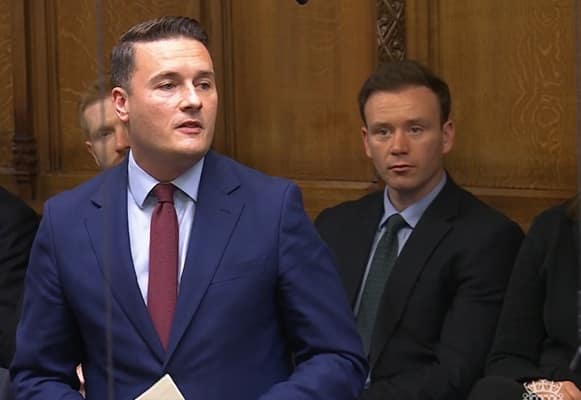
Wes Streeting has described Brexit as a “catastrophic mistake”, arguing that Britain’s long-term future lies closer to Europe and suggesting that eventual re-entry into the EU should not be ruled out.
The comments have reignited tensions within the party as Labour attempts to balance pro-European sentiment among metropolitan voters with stronger Eurosceptic attitudes in key working-class constituencies that backed Leave in 2016.
The intervention also places fresh scrutiny on the positioning of Andy Burnham, who is expected to contest a by-election in Makerfield — a seat with a strong Leave-voting profile where Reform UK is seen as a growing electoral threat.
Burnham’s potential return to Westminster is being closely watched as part of wider speculation over future Labour leadership dynamics, particularly as the party navigates competing pressures over immigration, public spending and Britain’s long-term European alignment.
Within Labour, Brexit has increasingly become less a settled constitutional question and more a political instrument — deployed in internal debates to signal ideological positioning and appeal to different voter coalitions.
Streeting’s remarks are likely to energise pro-European elements within the party, while simultaneously complicating Labour’s efforts to maintain unity in seats where support for Brexit remains strong and politically sensitive.
For Burnham, the renewed focus on Europe presents a familiar balancing act: maintaining appeal in Leave-leaning constituencies while retaining credibility with a Labour membership base that remains significantly more pro-EU.
The result is a party where Europe is once again functioning as a proxy issue for broader arguments about identity, economics and Labour’s future direction.
Critics argue that these internal dynamics pose risks, turning Brexit into an ongoing political weapon rather than a settled national decision, with policy debates increasingly shaped by leadership positioning rather than governance priorities.
Richard Kilpatrick, Head of Campaigns at European Movement UK, said: “This isn’t a game. We should remind politicians that the big political issues don’t deserve to be political footballs. Europe and our future relationship with the biggest trading bloc in the world should not be something that politicians play with.
“It is part of delivering for people across the country, strengthening our economy, creating jobs and helping give opportunities to people. That’s what people expect of their politicians. Not more posturing, not taking people for granted, but being honest with the British people and put the UK back at the heart of Europe.
“Businesses need certainty. Young people need opportunities. And our shared security challenges, from Ukraine to climate change, demand serious engagement, not cynical tactical manoeuvres.
“The future of our continent should be decided by principle and pragmatism, not internal party politics. We call on all potential future leaders, from Starmer to Streeting to Burnham, to stop kicking the issue around for short-term gain and start building a mature, stable partnership with Europe.”
As Labour continues to navigate electoral pressure from Reform UK on one flank and the Conservatives on the other, the EU question — once thought politically dormant — is once again emerging as a defining test of unity and strategy.


Leave a Comment