
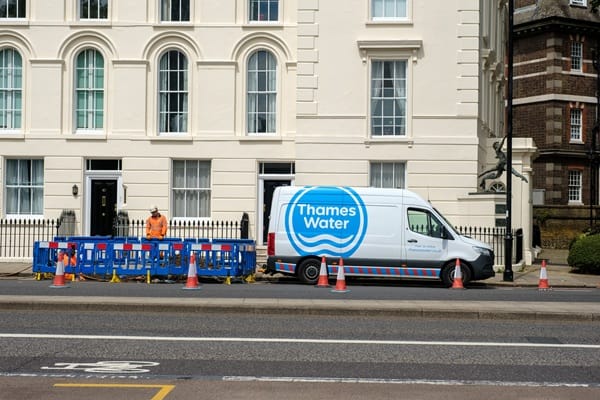
Prime Minister Andy Burnham is understood to have stepped back from plans to place Thames Water into special administration, after officials warned that rescuing the debt-laden utility could cost taxpayers about £2 billion over 18 months.
The retreat marks a significant shift in the Government’s approach to Britain’s largest water company, which has been teetering on the edge of insolvency under a debt burden of roughly £20 billion.
Officials have raised concerns not only over the cost of a Special Administration Regime but also the prospect of legal challenges and the practical difficulties of taking direct control of an organisation serving around 16 million customers.
Burnham has repeatedly argued that bringing the water industry back into public ownership should be the long-term objective. But the Treasury and other officials are understood to be examining whether administration would deliver that outcome without exposing the taxpayer to an open-ended financial commitment.
The assessment is expected to continue for several months, leaving Thames Water caught between a potential state rescue and an increasingly urgent attempt by creditors to keep the company in private hands.
The utility’s financial problems have accumulated over years, as successive owners struggled to inject enough capital into ageing infrastructure while debt continued to mount.
A consortium of senior creditors, operating as London & Valley Water, submitted a revised rescue proposal in July designed to avert administration. The plan envisages a decade-long restructuring and a substantial overhaul of the company’s governance.
The creditors have sought to make the proposal more palatable to ministers by offering the Government a “golden share”, potentially giving the state enhanced powers over strategic decisions without requiring outright nationalisation.
The group this week also unveiled proposed board members, including former Yorkshire Water chief executive Liz Barber, former Department for Transport permanent secretary Dame Bernadette Kelly and former Openreach chief executives.
The appointments are intended to demonstrate that Thames Water can be rebuilt under credible private-sector leadership rather than placed into state administration.
Russ Mould, investment director at AJ Bell, said the proposed board refresh was an attempt by creditors to “see off a possible nationalisation”.
The names, he added, were intended to provide “credible” leadership capable of restoring confidence in the company’s future outside government ownership.
For Burnham, however, the political calculation is becoming more difficult. Administration could provide a route towards public ownership but at a potentially heavy cost, while accepting the creditors’ plan would leave Labour exposed to criticism from MPs and campaigners demanding wholesale reform of the privatised water industry.
The result is an increasingly awkward choice: pay billions to take Thames Water into public hands, or allow creditors another attempt to rescue a company whose finances have been deteriorating for years.


Leave a Comment