
WTI crude oil recovered for two consecutive sessions, rebounding from a low around USD 67 per barrel to nearly USD 76 per barrel before temporarily pulling back to around USD 74 per barrel.
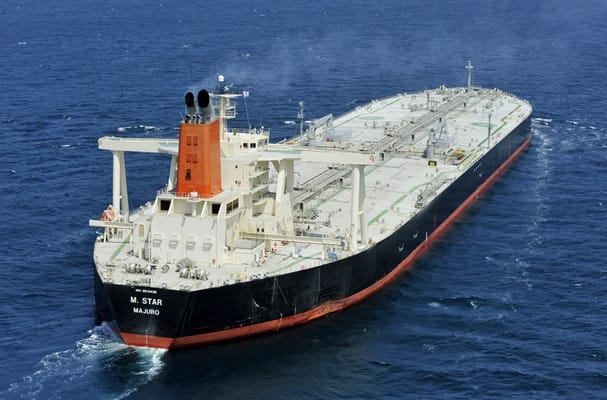
The main driver came from renewed signs of tension between the U.S. and Iran, raising concerns that the risk of disruption to shipping through the Strait of Hormuz could return.
As a strategic maritime route for the global energy market, any sign of escalation in this area can easily trigger a sharp short-term reaction in oil prices.
However, WTI’s recovery has yet to prove fully sustainable, as fundamental factors are still sending mixed signals. U.S. commercial crude oil inventories unexpectedly increased by 3 million barrels, contrary to market expectations for a decline of around 1.9 million barrels.
At the same time, domestic crude oil production rose by 50,000 barrels per day to 13.86 million barrels per day, while crude imports increased by 351,000 barrels per day and exports fell by 746,000 barrels per day. This combination added further pressure to commercial inventories, suggesting that U.S. supply remains relatively abundant.
Gasoline inventories declined by 1.9 million barrels, but the four-week average of gasoline demand remained lower than the same period last year, meaning this is not yet enough to confirm a strong recovery in consumption. The market will therefore need more data in the coming weeks to assess whether summer gasoline demand is strong enough to absorb the current supply.
In addition, OPEC+’s decision to raise its production quota by another 188,000 barrels per day from August 2026 could also limit the upside potential for oil prices. The group’s continued gradual unwinding of production cuts suggests that the market may face additional supply risks, especially if tensions in the Middle East ease and the geopolitical risk premium gradually fades from prices.
Overall, WTI is likely to remain highly volatile in the short term. If U.S.-Iran tensions persist or escalate further, oil prices could extend their gains and move toward the USD 78–80 per barrel range. Conversely, if risks in the Middle East ease, the market could quickly shift its focus back to fundamental factors such as rising U.S. inventories, high domestic production, and OPEC+’s plan to increase output. In that case, WTI’s upside could remain limited, and prices may face the risk of another correction.


Leave a Comment