
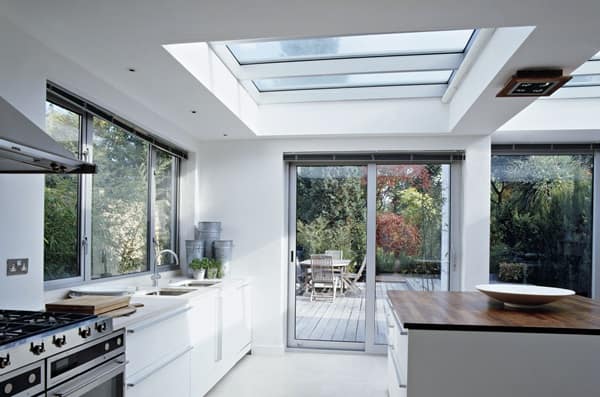
Home renovation projects usually start with ideas about what would work well for the space. A kitchen extension with lots of glass to bring in light. A loft conversion with skylights to make the new room bright. An extra floor that maximizes the footprint of the existing building. These plans make sense from a design perspective, but they don’t always account for the regulations that determine what’s actually allowed.
Building regulations exist for good reasons, mainly keeping people safe, but they can force significant changes to renovation plans. What seemed straightforward during the planning stage becomes complicated when building control explains that certain materials need upgrading, layouts need adjusting, or approaches that worked fine in older parts of the house won’t meet current standards for new work. The gap between what homeowners want to build and what regulations permit creates some of the most frustrating moments in renovation projects.
Fire safety that affects material choices
Fire regulations have a major impact on what materials can be used in extensions and conversions, particularly when adding floors or creating habitable spaces above existing rooms. The requirements get stricter as buildings get taller or more complex, which catches many people off guard when they’re planning what seems like a simple addition.
Roof glazing is one area where fire safety requirements often change material specifications. Standard skylights work fine in many situations, but when extensions add new floors or when loft conversions create bedrooms above existing levels, regulations can require fire rated skylight installations that provide specific levels of fire resistance. This isn’t about the skylight being more likely to cause fires, it’s about maintaining fire safety between different parts of the building and ensuring that roof glazing doesn’t compromise the overall fire strategy.
The problem for homeowners is that fire-rated versions of materials almost always cost more than standard alternatives. A project budget based on standard skylights suddenly needs adjusting when building control requires fire-rated specifications. The difference might be hundreds or even thousands of pounds depending on the size and number of skylights involved, and it’s money that wasn’t in the original plan.
Escape routes that dictate layouts
Fire escape requirements affect how rooms can be arranged and what’s possible in upper floors. Regulations about escape windows, protected stairways, and distances from rooms to exits all constrain layouts in ways that might not be obvious when initially planning extensions or conversions.
Loft conversions face particularly strict escape requirements because they’re creating habitable space at the top of buildings where getting out during fires takes longest. The regulations might require escape windows of specific sizes in specific locations, or they might mandate changes to the staircase serving the loft to make it a protected route. In some cases, existing stairs that were fine for accessing storage lofts need complete rebuilding to meet standards for serving bedrooms.
These requirements can fundamentally change what’s possible in a space. A bedroom layout that seemed ideal might not work because the escape window would end up in the wrong location. A staircase position that made sense for the floor plan might need moving to create proper fire separation. The regulations aren’t flexible on these points because they’re about keeping people safe, but they do force design compromises that affect how well the finished space works.
Party wall considerations that limit options
For terraced or semi-detached homes, the party wall shared with neighbours creates additional constraints. Fire regulations require that these walls maintain their fire resistance, which affects what can be done with extensions that adjoin them or loft conversions that extend up to party wall height.
Extensions that touch party walls need to maintain fire separation, which can limit window placement or require specific construction details that cost more than standard approaches. Loft conversions often discover that the party wall needs upgrading to meet current fire resistance standards, even if the existing wall was adequate before. This work requires coordination with neighbours and adds costs that weren’t necessarily anticipated.
The issue becomes more complex when neighbours have already done their own loft conversions or extensions using older standards. The party wall situation might be different on each side, and bringing everything up to current requirements for new work can involve complicated details and negotiations with neighbours about shared walls.
Structural requirements that add cost
Building regulations include structural standards that sometimes require beefier construction than homeowners expected. Extensions need foundations that meet current standards regardless of how the existing house was built. Loft conversions need floor structures that handle bedroom loads, not just the storage loads the original roof structure was designed for.
These structural requirements can drive up costs substantially, particularly when ground conditions are poor or when existing structures need reinforcing to take additional loads. The work might not be visible in the finished project, but it’s required for compliance and safety. Trying to cut costs by minimizing structural work isn’t an option because building control won’t sign off on inadequate construction.
Insulation standards that affect design
Current insulation requirements are much stricter than older standards, which affects how much space extensions and conversions actually gain. Walls, roofs, and floors in new work need insulation that meets today’s thermal performance standards, and this insulation takes up space.
The practical impact is that extension walls end up thicker than the existing house walls, or loft conversion ceilings sit lower than the peak of the roof to accommodate insulation. The usable space in the finished project is smaller than the raw dimensions suggest, and homeowners sometimes feel disappointed that their new room isn’t quite as large as they expected.
Roof structures in loft conversions face particular challenges because achieving good insulation without losing too much headroom requires careful detailing. The insulation needs to go somewhere, and in tight roof spaces there isn’t much room to work with. This sometimes forces design compromises where the ideal dormer size or roof light position needs adjusting to make insulation work.
Glazing specifications that limit light
While most people want lots of glass in extensions to bring in natural light, regulations around thermal performance and safety glazing constrain what’s possible. Large glass areas need to meet energy efficiency targets, which usually means double or triple glazing with specific thermal properties. This costs more than basic glass and weighs more, which affects what structural supports are needed.
Safety glazing requirements determine what type of glass can be used in specific locations, particularly near floor level or in doors. The regulations exist to prevent injuries, but they do add cost and can affect design choices about where to position large glass panels or how to detail doors and windows.
Planning around regulations rather than fighting them
The homeowners who have smoothest renovation experiences are usually those who understand building regulations early and design around them rather than developing ideal plans and then discovering what’s not allowed. This means involving building control or architects familiar with current standards during the design phase, not after plans are finalized.
The regulations aren’t there to make life difficult, they’re protecting people and ensuring that buildings perform properly. Extensions and conversions that comply with current standards are safer, more energy efficient, and less likely to have problems down the line. The challenge is that compliance costs more and constrains design choices in ways that affect both budgets and how well finished spaces match initial visions. Understanding these constraints upfront prevents the disappointing moment when building control explains that the preferred approach won’t work and changes are needed.


Leave a Comment