
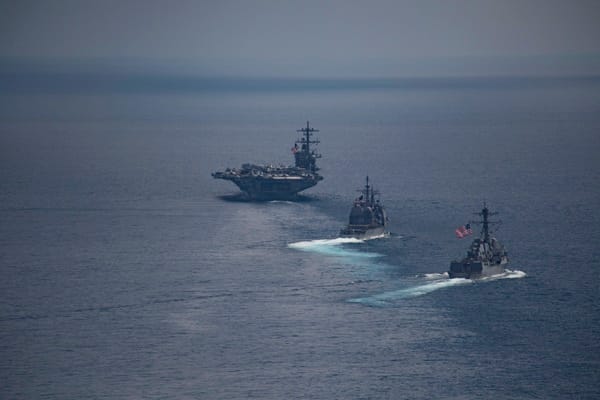
During an interview on CNN’s State of the Union, Ambassador Waltz was asked whether President Donald Trump expects other countries to send warships to escort oil tankers through the Strait of Hormuz, a critical route for about one-fifth of global crude shipments that has been effectively blocked amid the conflict with Iran.
Waltz responded that the U.S. “welcomes, encourages, and even demands” participation from other nations in providing naval support to protect their own economies and ensure the safe passage of energy supplies.
However, he acknowledged that no formal commitments have been made yet and that discussions are ongoing.
The ambassador cited historical precedents for such cooperation, noting that during the 1980s “tanker wars,” other countries, including France and the UK, deployed forces to protect commercial shipping from threats in the Gulf.
He stated that the goal is to prevent Iran from holding global energy markets “hostage” and to share the burden of defence among nations affected by rising oil insecurity.
Waltz’s remarks underline the Trump administration’s push to involve partner countries in maritime security operations, even as several allies have so far been cautious or noncommittal about deploying their own warships alongside U.S. forces.
Waltz told CNN: “Back in the 80s, under the tanker wars, there the last time Iran tried to constrain global energy supplies, you had French, United Kingdom, even Soviet Union forces in there escorting their tankers out that were heading to their markets.
And I think that’s what President Trump is calling upon the world, saying, the entire world is affected. Iran can’t hold your economies hostage.
We certainly welcome, encourage and even demand their participation to help their own economies.
And meanwhile, the US Military will continue to pound the Iranian military and their missile boat and drone forces to keep the straits open.


Leave a Comment