
Britain’s national security apparatus is currently on high alert due to the escalating conflict involving Iran.
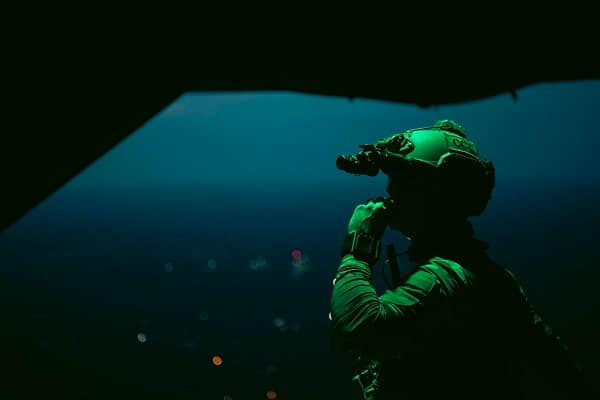
Security officials are expressing serious concerns about the potential for Iranian-linked terrorist activities within the UK, and a SAS counter-terrorist unit has been moved to London and will remain in the capital until after the war in the Middle East has come to an end.
Defence Secretary John Healey confirmed this week that the UK’s terror threat level remains at “substantial,” indicating that an attack is considered likely. This threat level is under active review in light of recent events.
Officials have emphasised that when a hostile regime like Iran is perceived to be “lashing out indiscriminately” across the Middle East, and when proxy groups aligned with Tehran are active, Britain must maintain a state of “high alert and high vigilance” at home.
Recently, counter-terrorism police and MI5 arrested four men in London on suspicion of assisting Iranian intelligence by conducting surveillance on Jewish community sites and individuals. This marks a rare and serious set of arrests under the Metropolitan Police’s National Security Act.
The Daily Star Sunday reported, an intelligence source said: “The war in Iran is highly likely to spill out onto the streets of the UK. The UK special forces and the intelligence services need to be ready for a surge in attacks by Iranian proxies and those by lone-wolf radicalised Islamists.
“This is exactly the sort of crisis in which sleeper cells and proxy agents could be mobilised. There could be kidnappings, assassinations, cyber attacks, and we can’t rule out the use of IEDs to cause chaos in London and other major cities.
“The world’s focus is on the Middle East, but we also need to be aware of what could be happening on our own doorstep.”
Security chiefs noted that the investigation had been ongoing for several months. However, the timing of these arrests, amidst the Iran conflict, has heightened public concerns that spy networks or proxy groups linked to Tehran may be planning hostile acts on UK soil.
British intelligence agencies are also closely monitoring concerns about the existence of Iranian “sleeper agents” — covert operatives embedded in Western nations who could be activated in response to Iranian losses or setbacks in the conflict.
Analysts and European security officials have warned that if such cells were to be ordered to act, they might target public sites, community centres, or individuals connected to Western support for Israel and the US. This raises important considerations for domestic policing and counter-terrorism efforts.
While officials have not publicly confirmed any special forces deployments within the UK, both MI5 and the police have reiterated that they are working “around the clock” to track potential threats, including espionage, cyber operations, and proxy networks linked to Iran’s intelligence services.
With the threat level elevated and Britain’s counter-terrorism resources stretched due to global instability, critics argue that the UK must not only protect its overseas interests but also safeguard communities at home from external state-linked threats.


Leave a Comment