
Britain’s economy contracted in April, marking the first monthly decline in eight months, as higher energy costs and disruptions linked to Middle East tensions began to filter through to activity data.
Gross domestic product fell 0.1 per cent, according to the Office for National Statistics, reversing gains of 0.3 per cent in March and 0.4 per cent in February. The decline was driven by weakness in services output, which fell 0.2 per cent over the month.
Within services, arts, entertainment and recreation saw a sharp contraction of 4.3 per cent, with the sports sector down 9.1 per cent. The ONS attributed part of this decline to cancellations of sporting events in the Middle East following the escalation in regional conflict.
Construction output rose 0.1 per cent in April, while manufacturing expanded 0.4 per cent, partially offsetting the drag from services.
On a three-month basis, GDP increased 0.7 per cent to April, suggesting underlying momentum remains positive despite the monthly contraction.
The data come against a backdrop of rising energy costs and renewed geopolitical uncertainty following the conflict involving Iran, which has pushed up fuel prices and contributed to weaker retail spending. Official retail sales data earlier this month showed a 1.3 per cent monthly fall, the sharpest decline in nearly a year.
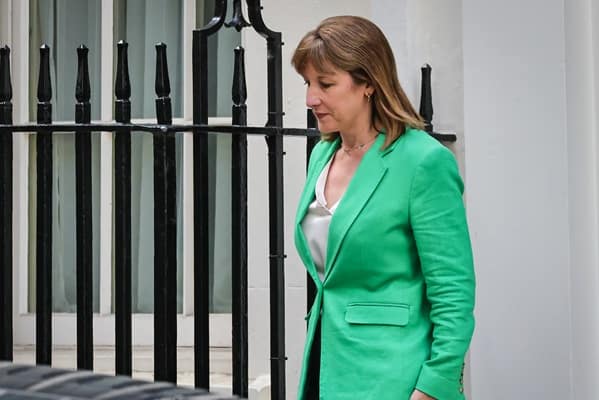
Chancellor Rachel Reeves said the government had entered the period of conflict from a position of relative economic strength, noting that growth had been “higher than expected” earlier in the year and inflation had been falling.
However, economists warned that the shock from higher energy prices and disrupted activity could weigh on momentum through the remainder of the year.
The Bank of England is expected to hold interest rates at 3.75 per cent at its meeting on 18 June, as policymakers assess the balance between weaker growth and renewed inflationary pressures stemming from energy markets.
Forecasts from the IMF and OECD have already been revised lower, with analysts expecting growth to slow markedly after a stronger-than-expected first quarter.
Stuart Clark, portfolio manager at Quilter, said households and businesses were beginning to “tighten their belts” in response to higher costs and weaker confidence, while disruptions to sporting and entertainment activity had added to the drag on services.
Rob Wood, economist at Pantheon Macroeconomics, forecast growth of 0.2 per cent in the second quarter and 0.1 per cent in the third, pointing to a gradual slowdown in underlying demand.
The ITEM Club warned the UK economy risked “flirting with recession”, citing weaker real incomes, tighter financial conditions and elevated business uncertainty.
With energy prices elevated and geopolitical risks unresolved, economists say the outlook for the second half of the year will depend heavily on whether recent cost pressures prove temporary or become more persistent.


Leave a Comment