
Effective traffic management is essential for urban construction projects in London, where meeting tight deadlines and budget constraints is critical to business success. Well-executed strategies reduce disruption, protect local commerce, and support smoother logistics on high streets and in dense city environments. Strong traffic control underpins productivity, compliance, and reputation for contractors and developers operating in the capital.
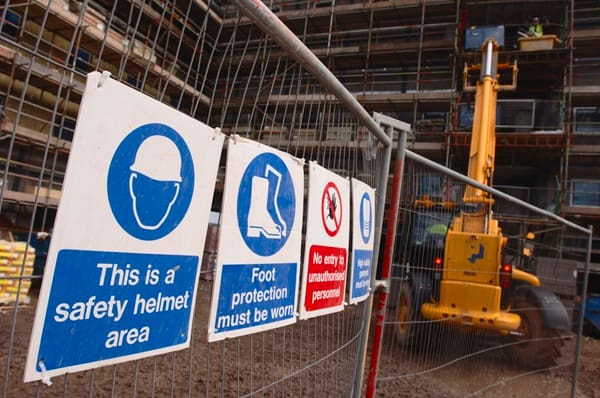
Managing construction in densely populated London boroughs requires an approach that prioritises not just building efficiency, but also the needs of the surrounding community and local business continuity. During project planning, heras fencing is often installed to control movements and keep public and site traffic safely segregated. In London, where site access impacts footfall and commercial deliveries, traffic plans directly influence project outcomes, impact on high street businesses, and public safety. Navigating these pressures requires integrated methods combining physical, operational, and logistical controls in line with local authority requirements and Transport for London (TfL) guidance.
Commercial drivers for advanced traffic management
Disruption from construction traffic can create significant risk to a project’s financial performance in London. If access routes are blocked or deliveries delayed, nearby businesses may lose revenue and your workforce could face increased travel times through congested routes, reducing on-site productivity and generating reputational risk with stakeholders.
Reliable logistics are essential on London sites where supply-chain delays or missed programme milestones can escalate project costs and introduce compliance issues. By prioritising comprehensive traffic management, contractors reduce these business risks while helping maintain positive relationships with local businesses, residents, and borough authorities.
Components of an effective site traffic approach
Separating pedestrians from vehicles is the foundation of safe and efficient management on busy London construction sites. Clearly defined boundaries, controlled access points, and practical signage prevent confusion and protect both public movement and commercial deliveries around the site.
Temporary routing and wayfinding, combined with visible barriers, help streamline delivery operations and reduce accident risk, especially in narrow, mixed-use streets. Measures such as efficient gate management and scheduled delivery slots maintain a steady flow of vehicles and prevent congestion at critical periods, supporting both the project programme and neighbouring business operations.
Physical measures integrated with traffic planning
Barriers positioned with careful attention to vehicle swept paths enable delivery vehicles to circulate efficiently while minimising bottlenecks, which is especially vital on restricted London traffic corridors. When barrier placement is properly managed, construction hoarding in London supports secure queuing and efficient processing of incoming and outgoing vehicles, safeguarding site access and protecting operational productivity.
Effective perimeter management helps prevent unauthorised access and reduces the risk of site vehicles affecting public roads and local businesses. By keeping activities within set boundaries, contractors lower operational and compliance risks while preserving safety for all road users and supporting commercial activity in surrounding areas.
Reducing delays and maintaining project efficiency
Coordinated logistics are crucial in London, where space and access for construction traffic are limited and subject to local regulations. Delivery management systems, timed booking slots, and strategic consolidation points help avoid congestion and relieve pressure on kerbside areas vital to nearby businesses and bus routes.
Managing last-mile constraints requires consistent monitoring and proactive adaptation, especially in city centres with complex stakeholder interests. With careful planning and review, contractors can ensure that essential materials and equipment reach the site as scheduled, minimising unnecessary stoppages and maintaining steady progress through every phase of the project.
Combining robust planning, physical site controls, and ongoing measurement creates the backbone of modern traffic management in London’s construction sector. Tracking key metrics such as vehicle turnaround time, near-miss incidents, aborted deliveries, and pedestrian diversions enables project teams to refine methods and maintain business efficiency across complex urban sites.


Leave a Comment