
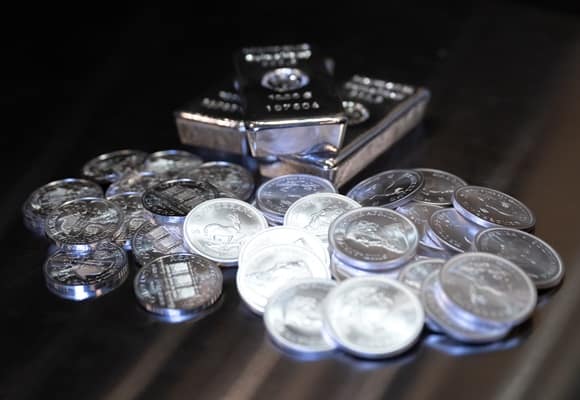
Silver has been on a quiet but significant run. Prices have climbed to levels not seen in over a decade, driven by a combination of industrial demand — solar panels, electric vehicles, and electronics all rely heavily on silver — and investors looking beyond equities for a store of value. Financial commentators have noticed. The part that’s gone largely unremarked is that this matters to far more people than those buying bullion bars. It matters to anyone with a cutlery drawer full of silver they’ve never really thought about.
Millions of British households are in exactly that position. Sterling silver flatware, candlesticks, picture frames, and tea sets were wedding gifts, heirloom pieces, and middle-class staples for generations. Old biscuit tins hold coins nobody has looked at in thirty years. Most of it sits unexamined, underinsured, and unsold. At current silver prices, that’s a meaningful oversight.
Is it actually silver?
The first question is whether you have genuine sterling or silver plate — the difference in value is enormous.
Silver plate (commonly marked EPNS, EP, A1, or simply “electroplated”) is a base metal — usually copper or nickel — with a thin coating of silver applied electrolytically. The silver content is negligible. Plated pieces have no melt value worth speaking of and should not be confused with the real thing.
Solid sterling silver is 92.5% pure silver (the remaining 7.5% is typically copper, added for strength). In Britain, it’s identified by a standardised hallmarking system that has been legally required since the 14th century — one of the oldest consumer protection schemes in the world.
The marks to look for, usually found on the back of flatware or inside jewellery:
- Lion passant — a walking lion facing right. This is the definitive mark of solid sterling silver made in England. If you see it, the piece is genuine.
- 925 or Sterling — common on modern pieces and imports
- Assay office mark — tells you where it was tested: a leopard’s head (London), anchor (Birmingham), castle (Edinburgh), or crown (Sheffield)
- Date letter — a letter in a shaped cartouche indicating the year of hallmarking; useful for dating pieces
If your piece carries all of these, it’s the real thing. If it has only a maker’s mark and nothing else, or if the marks look stamped on rather than struck, treat it with scepticism.
What sterling silver is worth right now
The melt value of any silver item comes down to one calculation: weight in troy ounces × silver fineness × current spot price.
For sterling, fineness is 0.925. A 100-gram piece of sterling silver contains 92.5 grams of pure silver — approximately 2.97 troy ounces. At current silver prices, that’s roughly £130 in intrinsic metal value, before any antique or maker’s premium.
Those figures compound fast. A standard 44-piece canteen of sterling cutlery — the sort passed down through families or found at estate sales — typically weighs between 1.2 and 1.5 kilograms. At today’s prices, the silver content alone can be worth £1,500 to £2,000 or more. Most people who inherited one have no idea.
Individual pieces are less dramatic but still add up. A sterling silver gravy boat weighing 250 grams has around £325 of silver in it. A set of six silver napkin rings can hold £150 or more. Weigh a few drawers’ worth and the total is often higher than expected.
To check the current melt value of your own pieces, the World Silver Melt Guide sterling silver calculator lets you enter weight and purity and returns a live figure based on the current spot price — worth doing before you walk into any dealer.
The coins at the back of the drawer
Pre-decimal British silver coins are a separate category worth knowing about. Before 1920, British coins — shillings, florins, half-crowns, and crowns — were struck in sterling silver (.925 fine). From 1920 to 1946, fineness dropped to 50%. After 1947, British coins became cupro-nickel and contain no silver.
Date is the critical factor:
- Pre-1920: Sterling silver (.925). A florin (two shillings) from 1910 contains 0.3364 troy ounces of silver — around £15 at current prices. A crown contains 0.8409 oz — roughly £38.
- 1920–1946: 50% silver. Still worth checking, worth roughly half the sterling equivalent by weight.
- 1947 onwards: No silver. Face value only.
Many families have pre-1920 coins sitting in old collections, in tobacco tins, or at the back of a drawer, without any sense that they’re holding something of value. If you find coins dated before 1920, weigh them — the silver content is real and calculable.
What to do once you know
Once you have a sense of what you’re holding, you have three sensible options.
Sell — If you have no sentimental attachment to the pieces, selling at or near melt value is straightforward. Know your baseline figure before approaching any dealer. Reputable bullion dealers and Hatton Garden silver buyers will typically offer 85–95% of spot melt value for clean, tested sterling. For anything with maker’s marks, antique status, or decorative quality, auction houses are worth considering — Bonhams, Chiswick Auctions, and the major houses all run specialist silver sales, and pieces by known silversmiths or from identifiable periods often fetch multiples of melt.
Insure properly — Many home contents policies cover silver only at a generic “valuables” rate, which can significantly understate replacement value at today’s prices. An updated valuation from a BADA or LAPADA-registered dealer is worth having, particularly for canteens and full sets. The alternative — being underinsured on a £2,000 canteen — is a more expensive mistake.
Hold — Silver is one of the few tangible assets that is genuinely liquid, universally recognised, and uncorrelated with equity markets. If you don’t need the cash, sterling silver in good condition is worth keeping. Prices have moved significantly in recent years and there is no urgency to sell into a rising market unless the proceeds would be put to better use elsewhere.
Most people who go through this process are surprised — not by the complexity, but by the number. The silverware your family accumulated over decades was chosen for its appearance and occasion, not as a financial instrument. That it holds real monetary value at today’s prices is a benefit most people have never got around to calculating.
A hallmark guide, a set of kitchen scales, and five minutes is all it takes.
The above information does not constitute any form of advice or recommendation by London Loves Business and is not intended to be relied upon by users in making (or refraining from making) any finance decisions. Appropriate independent advice should be obtained before making any such decision. London Loves Business bears no responsibility for any gains or losses.




Leave a Comment