
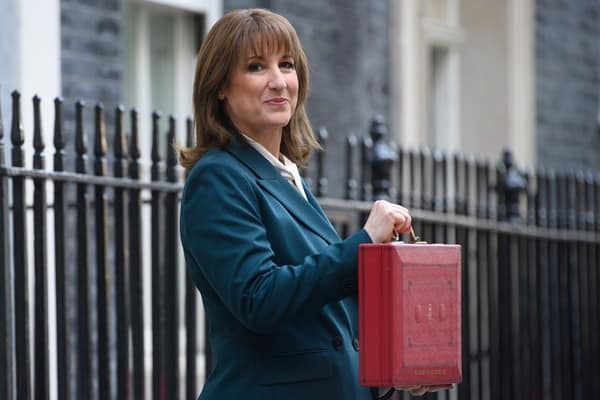
Rachel Reeves is facing mounting pressure over the state of the public finances after government borrowing climbed to a far higher-than-expected £24.3bn last month, intensifying fears over Britain’s fiscal outlook.
Fresh figures from the Office for National Statistics showed April recorded the second-highest level of borrowing for the month since records began, underlining the scale of the challenge confronting the Chancellor.
Borrowing was £4.9bn higher than the same month a year earlier and exceeded forecasts from the Office for Budget Responsibility by £3.4bn.
The figures also revealed that interest payments on government debt reached £10.3bn during the month, reflecting the growing burden of servicing Britain’s vast debt pile in a higher-inflation, higher-interest-rate environment.
Grant Fitzner said the rise in borrowing had been driven by higher public spending despite increased tax receipts.
He said: “Borrowing this month was substantially higher than in April last year, and although receipts increased compared with April 2025, this was more than offset by higher spending on benefits and other costs.”
The data represent an early test of Labour’s economic credibility after ministers repeatedly pledged to restore fiscal stability while driving growth.
Treasury ministers insisted the Government remained committed to reducing borrowing and debt over time.
Lucy Rigby said the Government’s fiscal strategy remained on track and pointed to support from the International Monetary Fund.
She said: “We are cutting borrowing and debt, with our actions reducing Government borrowing by over £20bn last year, while driving growth through £120bn of additional capital investment over the Parliament.”
However, economists warned that the latest figures highlighted the increasingly fragile state of Britain’s finances, with economic growth remaining subdued and spending pressures mounting.
Joe Nellis said the UK’s fiscal position appeared “increasingly stretched” as welfare and healthcare costs continued rising faster than revenues.
He warned that elevated borrowing costs, political uncertainty and renewed geopolitical instability were creating additional pressure on the public finances.
Professor Nellis said fears about possible future changes in political leadership and commitment to existing fiscal rules were unsettling markets at a sensitive moment for the economy.
He also pointed to renewed tensions in the Middle East as a growing risk factor, warning that higher oil and gas prices could fuel inflation while simultaneously weakening economic activity.
Higher inflation also increases the cost of servicing inflation-linked government debt, placing additional strain on Treasury finances.
The latest borrowing figures are likely to intensify scrutiny of Ms Reeves ahead of future fiscal statements, with opposition parties and some investors questioning whether Labour can maintain spending commitments while keeping debt under control.
Despite stronger recent GDP figures, economists cautioned that Britain’s economic recovery remains vulnerable to rising global instability, weak productivity growth and persistent pressure on household finances.
While few analysts believe Britain is facing an immediate fiscal crisis, there is growing concern that slower growth, elevated borrowing and geopolitical uncertainty are beginning to reinforce one another in ways that could leave the economy increasingly exposed over the coming years.


Leave a Comment