
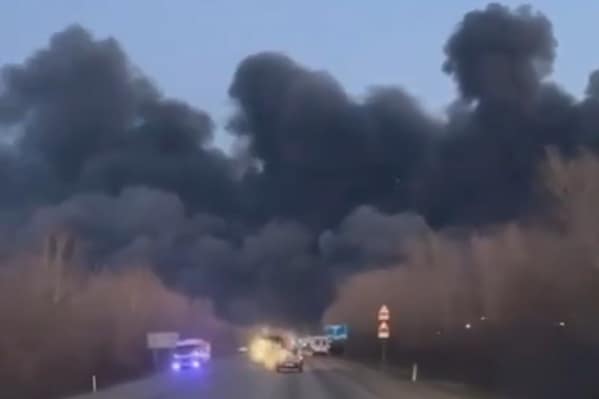
Russia is preparing to impose tighter state control over fuel production and distribution as repeated disruptions at key oil refineries place a growing strain on domestic supply, according to reports in Russian media.
According to draft agreements reported by Interfax, the country’s Energy Ministry is working with major oil companies on a framework that would effectively give the state a stronger role in setting recommended production volumes, domestic deliveries, and export levels for petrol and diesel.
The proposals would require companies to prioritise the internal market and align their output and sales decisions with government guidance.
Retail price increases would also be expected to remain within inflation levels, effectively limiting how far firms can pass higher costs on to consumers.
The arrangements, which would run through to the end of 2026, would also allow the state to monitor compliance and adjust supply plans, marking a further step towards centralised management of the Russian fuel economy.
The move comes after a series of disruptions to refinery operations, alongside earlier emergency measures, including temporary bans on petrol exports introduced in April to stabilise domestic supply.
Russia’s fuel market has come under increasing pressure amid refinery outages, rising demand and repeated attacks on energy infrastructure during the ongoing war in Ukraine.
According to reports cited by The Moscow Times, Ukrainian drone strikes have repeatedly targeted Russian refineries throughout 2025, contributing to record downtime and regional fuel shortages. Additional facilities have reportedly been forced offline this year due to further strikes and maintenance issues, exacerbating pressure on supply chains.
The General Staff of Ukraine has said its forces recently carried out coordinated strikes on Russian energy infrastructure, including facilities in the Krasnodar region and occupied Crimea.
Among the targets was the Tuapse oil refinery on the Black Sea coast, a key export hub that has been hit multiple times in recent weeks. Fires in storage tank areas have previously required large-scale emergency responses.
Kyiv has said such strikes are intended to reduce Russia’s oil revenues, which it describes as central to financing the war effort.
The escalation has already prompted Moscow to reintroduce export restrictions and consider further intervention in the domestic market to prevent fuel shortages and stabilise prices.
If implemented, the new agreements would represent one of the most significant increases in state oversight of Russia’s energy sector since the early phases of the conflict, underscoring the growing strain placed on the country’s refining capacity and supply chain resilience.


Leave a Comment