
Britain’s high streets are bracing for a long economic hangover from the war in Iran, with experts warning the fallout could be felt for years to come — even if the conflict ended tomorrow.
Leading analysts say the crisis is already rippling through the economy, pushing up energy bills, fuel costs and food prices, while also threatening vital supply chains.
According to industry estimates, average household energy bills could jump by nearly £300 from July, as global markets react to the escalating conflict.
Drivers are already feeling the squeeze, having paid an extra £544 million at the pumps since the start of the U.S.–Israeli bombing campaign.
The situation is set to worsen, with the last shipment of jet fuel from the Middle East expected to arrive in the UK this week, sparking fears of potential shortages.
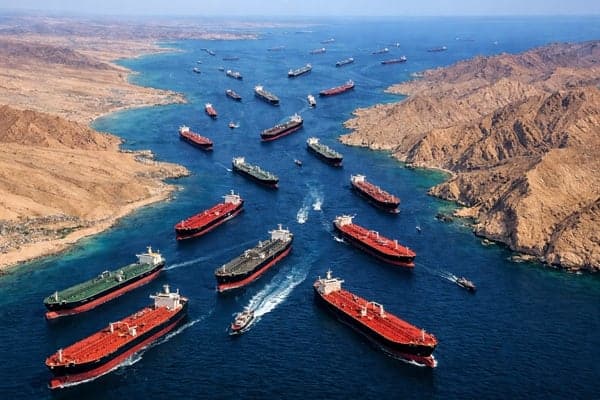
The impact is not limited to energy. NHS England chief Sir Jim Mackey has warned of serious supply disruptions, as shipments are either blocked or rerouted due to Iran’s actions in the Strait of Hormuz.
Essential medical items — including syringes, gloves and intravenous bags — are among those affected, raising concerns about pressures on frontline services.
Experts also warn that the crisis could soon hit supermarket shelves.
Susannah Streeter, Chief Investment Strategist at Wealth Club, said the UK should brace for further shortages and rising costs, warning:
“I don’t think that we’ve seen the worst of it yet, for sure.”
She highlighted a looming fertiliser shortage, noting that around one-third of global supply passes through the Strait of Hormuz — a route now heavily disrupted.
Streeter said: “Look at the amount that farmers are having to pay now for fertiliser. They are already warning about the costs. It won’t necessarily be in the coming months, but more likely the next harvest, where you could see a knock-on effect. A lot of farmers have already done their deals with supermarkets, so they can’t charge anymore. They’re going to be in the red until next year.
“So then they’ll have to try and recoup some of their costs and will have to charge more next year for the food. We’ve also heard concerns about certain medicines that could be in short supply. There will be efforts being made to source medicines from elsewhere in the world.
“But there will be knock on effects and repercussions for years. I think that we should brace ourselves for more shortages. “There’s going to be a long tail.”
She added: “I do think that we will have a resolution of sorts by then. The first place where you will see it come down is energy, but it will come down to a level which is higher than we were before the conflict.
“You’re still going to have higher energy costs this winter, higher energy bills than you would have done, even if there’s a fast resolution to the conflict. There’s not going to be an easy fix to this. We’re not going to suddenly see the end of the war and prices come back down to where they were. There will be knock on effects and repercussions for years.”
With the UK and other countries entering planting season, reduced fertiliser availability could push up food prices and damage next year’s harvests.
Analysts say the effects of the conflict will go far beyond immediate price rises, potentially influencing interest rates, inflation and economic growth across Britain.
Even in a best-case scenario where hostilities end quickly, the disruption to global supply chains and commodities markets is expected to linger well into the coming years.
For retailers already struggling with weak consumer demand and rising costs, the latest shock could prove devastating — adding to fears of further store closures and job losses across Britain.


Leave a Comment