
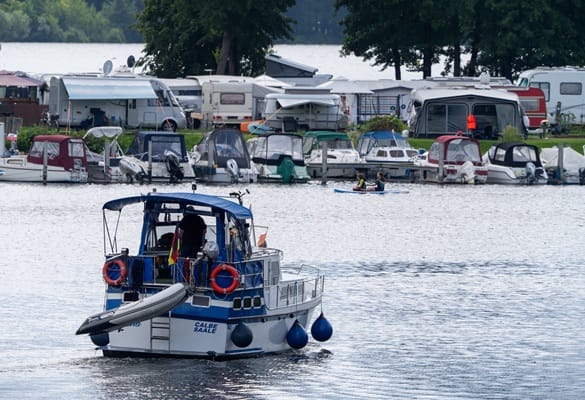
British families seeking affordable caravan and camping breaks face being hit with a “holiday tax” that could double the cost of their trips under Labour plans, tourism leaders have warned.
The proposed overnight visitor levy, which would give mayors powers to charge people staying overnight in their areas, has sparked a backlash from holiday operators who claim a flat-rate charge would punish those least able to afford it.
Industry figures warned that a fixed nightly fee could amount to an effective tax rate of up to 100 per cent for families staying in low-cost accommodation, while having little impact on wealthier visitors booking luxury hotels.
Under the model currently being discussed, a family paying £10 a night for a campsite pitch could face the same levy as a guest staying in a £1,000-a-night hotel room.
Operators argue the result would be a disproportionate burden on working families who rely on cheaper domestic holidays.
Jon Hendry Pickup, chief executive of Butlin’s, warned the proposals risked making affordable breaks unaffordable.
He highlighted more than 45,000 customers who booked four-night term-time breaks in 2025 for £49 per family of four. A £2-per-person-per-night levy would add £32 to the bill, he said.
“This is a 66 per cent tax on our best value breaks, hitting working families the hardest,” he warned.
Simon Palethorpe, chief executive of Haven, said some of the company’s cheapest holidays could rise from around £49 to more than £80 under the proposals.
“A family of four could see the price increase by 65 per cent,” he said, warning that the additional charge could push holidays beyond the reach of many households.
The backlash comes as families continue to feel pressure from rising household costs, with industry figures arguing that domestic tourism should be encouraged rather than made more expensive. Debbie Walker, director general of the Holiday and Residential Parks Association, said the plans risked “pricing some people out of breaks at a time when money is tight”.
The wider tourism sector has also warned of economic consequences. Research by Oxford Economics estimated that a visitor levy could result in 33,000 job losses and reduce GDP by £2.2 billion. Tourism contributes around 5 per cent of the UK economy and supports approximately 2.4 million jobs.
Allen Simpson, chief executive of UKHospitality, urged ministers to abandon the proposals.
“Holidays are for relaxing, not taxing,” he said, arguing that Britain already places a heavy tax burden on visitors compared with other European destinations.
However, Labour has pushed back against the criticism, insisting that no final decision has been made on how any visitor levy would operate.
A Government spokesman said it was “speculation because the final design of the visitor levy has not been decided” and argued the policy would allow “local people to benefit even more from tourism to their area”.
Ministers have previously suggested a percentage-based model could be used instead of a flat charge, claiming it would better reflect the cost of accommodation.
Similar systems already operate in several European cities, including Edinburgh, which charges 5 per cent, and Amsterdam, which applies a 12.5 per cent visitor tax. But critics argue even a percentage-based system could add hundreds of pounds to family holidays. According to GoCompare, the average UK family staycation costs around £2,765.
A levy matching Amsterdam’s 12.5 per cent rate would add roughly £345 to the bill. The row places Labour under pressure over whether its plans to raise local revenue could end up damaging one of Britain’s most popular affordable leisure industries. For holiday firms, the warning is simple: the people most likely to be hit are not luxury travellers — but families trying to afford a few days away.


Leave a Comment