
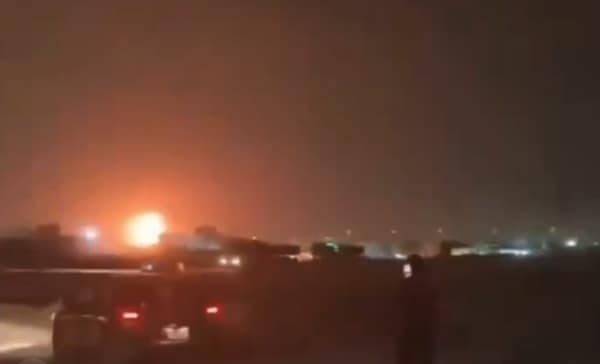
Oil prices have surged as attacks on energy facilities in the Middle East escalate, raising urgent concerns about potential disruptions to global energy supply chains.
On Thursday morning, the price of Brent crude oil rose by around 7 per cent, surpassing 114 US dollars per barrel and bringing it close to its highest level since the conflict intensified at the end of February.
The dramatic spike in oil prices followed a report from Qatar indicating that Iranian missile strikes had targeted its liquefied natural gas (LNG) facility at Ras Laffan.
These attacks reportedly resulted in substantial fires and extensive damage to the facility, which is crucial to Qatar’s energy production capabilities.
This incident marks a significant escalation in the ongoing tensions in the region, particularly in light of recent reports that Israel had conducted an airstrike on Iran’s strategically important South Pars gas field, which is one of the largest natural gas fields in the world.
QatarEnergy’s Ras Laffan Industrial City to the north of Doha, Qatar's main site for the production of liquefied natural gas and gas-to-liquid, as well as the largest export terminal for LNG in the world, has been heavily targeted tonight by ballistic missiles fired by Iran.… pic.twitter.com/Ax9WaOjDAK
— OSINTdefender (@sentdefender) March 18, 2026
In response to these developments, former President Donald Trump commented that he was not aware of Israel’s military actions and expressed his disapproval of such high levels of violence and destruction.
Nevertheless, he issued a stark warning that the United States would “massively blow up the entirety” of Iran’s South Pars gas field if Tehran were to target Qatari energy facilities again, signalling a potential escalation in military engagement.
QatarEnergy, the state-owned energy company of Qatar, had already taken precautionary measures by halting liquefied natural gas production at several facilities earlier this month due to previous attacks. This suspension underscores the vulnerabilities of the energy sector in the face of ongoing conflicts.
In parallel, European benchmark natural gas prices surged, rising by approximately 20 per cent on Thursday morning, reflecting growing fears of supply shortages and heightened demand amid these geopolitical tensions.
🚨🇮🇷 Iran just hit 9 countries in a single night, including 7 of the wealthiest nations on earth
This was Tehran's answer to Israel striking the South Pars gas field, the world's largest, earlier today.
The most intense retaliatory barrage of the entire war, and Iran is now… https://t.co/lY79YzAxkt pic.twitter.com/WIAXS3m1j8
— Mario Nawfal (@MarioNawfal) March 18, 2026
This increase in natural gas prices is likely to impact energy costs across Europe and could create ripple effects in global energy markets.
Kathleen Brooks, research director at XTB, warned the escalation in the Iran war is “spooking the market.”
“This war looks far from over, and the energy crisis is shifting from a shipping crisis to a supply crisis,” she added.
“If Iran is targeting energy assets in the region, then the conflict gets more serious and the repercussions for a long-term energy price shock also start to play out in financial markets.”


Leave a Comment