
Oil prices are expected to hover around $100 a barrel even after the announcement of a ceasefire in Iran, with analysts warning that disruptions to global supply could last for months.
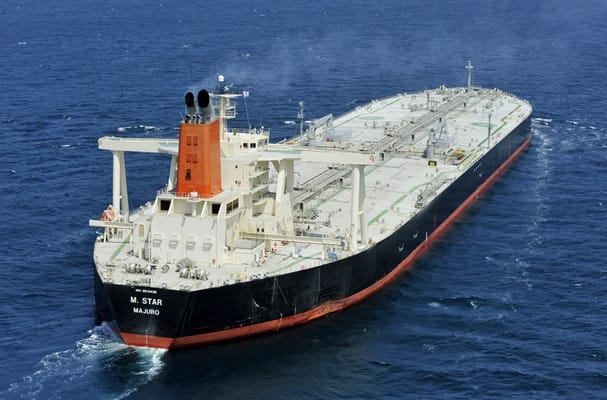
The fragile truce has reduced the immediate risk of conflict in the Gulf, but the Strait of Hormuz — the world’s most critical oil shipping lane — remains heavily constrained.
Iranian authorities are currently allowing just 15 ships per day to pass, a fraction of normal traffic, creating a bottleneck that continues to weigh on markets.
Market participants caution that reopening the strait will not instantly restore flows. Infrastructure damaged during weeks of fighting and ongoing security concerns mean oil exports from the region could take months to normalise, sustaining the geopolitical premium on crude.
“Even with a ceasefire in place, the supply side is fragile,” said an oil trader. “The logistical and insurance uncertainties mean that prices are likely to remain elevated for the remainder of the year.”
Global benchmark Brent crude briefly dipped below $95 following the ceasefire announcement, but has since rebounded, reflecting persistent anxiety over safe passage through the Gulf.
Analysts suggest that any sudden flare-ups or technical disruptions in the strait could trigger sharp price spikes.
The situation is expected to have a knock-on effect on consumers worldwide. In the UK, the cost of petrol and diesel could remain high for months, adding to pressures from rising energy and household bills.
Retail forecourts are likely to see sustained prices above pre-conflict levels, even if tensions ease.
Industry commentators warn that the “powder keg” of the Middle East is far from defused, the Guardian reported. While the ceasefire provides temporary relief, markets remain on edge as traders weigh how quickly Iran and its neighbours can restore normal operations through the Strait of Hormuz.


Leave a Comment