
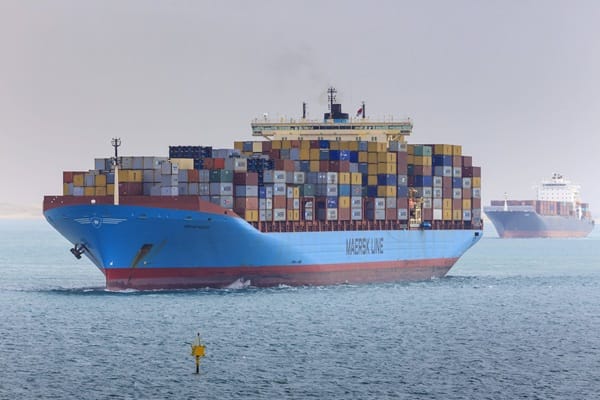
Iran has announced the reopening of the Strait of Hormuz, restoring access for commercial vessels after a period of heightened disruption in one of the world’s most strategically important shipping routes.
An Iranian official said the waterway would remain open for the duration of the ceasefire between Lebanon and Israel, signalling a temporary easing of tensions in the region. The announcement comes after weeks of uncertainty in global energy markets, with the strait carrying an estimated fifth of the world’s oil supplies.
Iranian Foreign Minister Seyed Abbas Araghchi said: “In line with the ceasefire in Lebanon, the passage for all commercial vessels through Strait of Hormuz is declared completely open for the remaining period of ceasefire, on the coordinated route as already announced by Ports and Maritime Organisation of the Islamic Rep. of Iran.”
The development follows warnings from aviation and energy officials that prolonged disruption to the route could trigger fuel shortages and potential flight cancellations within weeks due to tightening jet fuel supplies across Europe.
Earlier, concerns had been raised by industry figures, including warnings from the International Air Transport Association (IATA), that airlines may need contingency planning for possible rationing if supply conditions worsened.
US President Donald Trump confirmed the reopening in a post on Truth Social, although it remains unclear whether all restrictions on Iranian ports have been lifted following recent military and economic tensions involving the US, Israel and Iran.
Trump wrote: “IRAN HAS JUST ANNOUNCED THAT THE STRAIT OF IRAN IS FULLY OPEN AND READY FOR FULL PASSAGE. THANK YOU!”
The Strait of Hormuz is a critical maritime chokepoint through which a significant share of global crude oil shipments pass, making it a key flashpoint in periods of regional instability.
The announcement comes as international leaders, including Prime Minister Keir Starmer and French President Emmanuel Macron, are engaged in diplomatic discussions in Paris involving around 40 world leaders focused on wider regional security and economic stability.
While the reopening is expected to ease immediate pressure on energy and transport markets, analysts are likely to continue to monitor the situation closely, given the fragility of the underlying ceasefire arrangements.


Leave a Comment