
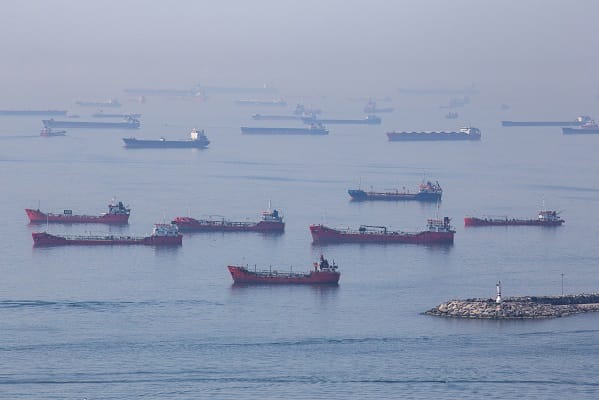
Businesses around the globe are preparing for potential disruptions, particularly as escalating tensions in the Strait of Hormuz pose a significant threat to approximately one-fifth of the world’s oil and gas supply.
This critical maritime corridor is essential for energy transportation, and executives within various industries are grappling with a pressing and uncomfortable question: if the Strait were to close, what specific steps would we take to respond effectively?
Analysts emphasise a crucial point: while many companies have developed contingency plans, a substantial number of these strategies exist solely on paper.
When actual disruptions occur, the urgent need to reroute shipments, identify alternative sourcing options, reallocate stock inventories, and adjust service commitments can create unforeseen challenges.
These challenges often lead to ripple effects that can destabilise complex, interconnected global supply chains.
Recent historical events underline the importance of preparation and the vulnerabilities inherent in supply chain management.
The blockage of the Suez Canal in 2021 and the shipping disruptions in the Red Sea during 2023-2024 forced companies to make quick decisions amid limited visibility. This lack of foresight has left numerous supply chains susceptible to cascading failures, illustrating the tangible risks companies face in times of crisis.
Organisations that demonstrate the most confidence in their contingency strategies are those that proactively test their plans.
By running simulations, these companies can better understand how different decisions affect the entire supply chain, enabling them to respond more effectively under pressure.
Experts insist that the companies best positioned to navigate disruptions are not necessarily the ones that respond the quickest; instead, they are those that possess a comprehensive understanding of the potential consequences and scenarios before a crisis unfolds.
As global tensions continue to escalate with no signs of resolution and energy markets remain volatile, business leaders are strongly urged to rigorously stress-test their operations.
This proactive approach is critical to ensuring readiness and resilience in the face of potential challenges posed by the Gulf conflict, which could lead to widespread shortages and significant cost increases across multiple sectors.
Taking pre-emptive measures now could mean the difference between navigating a crisis smoothly and facing severe operational and financial repercussions.


Leave a Comment