
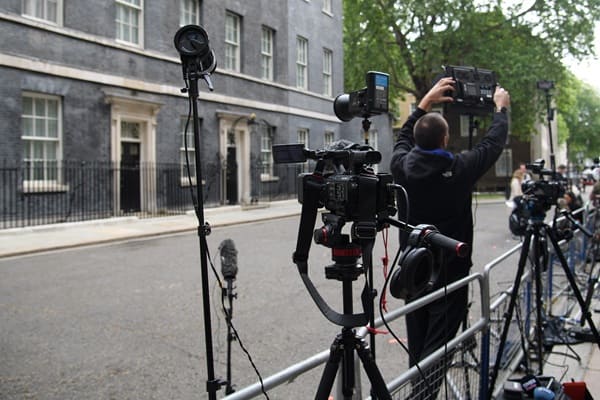
Sir Keir Starmer is preparing for what could be the most consequential week of his political career, with mounting speculation that he will set out a timetable for his departure from Downing Street within days.
After weeks of insisting he would fight on and confront any challenge from Andy Burnham, the Prime Minister now finds himself facing a political reality that many in Labour believe can no longer be ignored.
The mood across Westminster shifted dramatically following Burnham’s emphatic victory in the Makerfield by-election. What had been simmering discontent within Labour ranks has rapidly evolved into an open debate about succession, with MPs, former ministers and party grandees increasingly discussing not whether Starmer will leave, but when.
According to senior party figures, the Prime Minister spent the weekend at Chequers consulting allies and assessing his options after a torrent of calls from MPs urging him to provide clarity about Labour’s future.
One senior Labour figure described the situation as one of political inevitability.
“Sometimes there’s a sadness about it all,” they said. “But sometimes there’s also an inevitability in politics.”
It is a striking assessment of a leader who only two years ago secured one of the largest parliamentary majorities in modern British history and was hailed as the man who rescued Labour from electoral oblivion.
Now, many within his own party appear to believe that his premiership has entered its final chapter.
The catalyst was Burnham’s return to Westminster.
His commanding victory in Makerfield has transformed him from an influential regional figure into the most serious challenger to Starmer’s authority. Supporters see him as the politician best placed to reconnect Labour with voters drifting towards Reform UK, while critics of the Prime Minister argue the by-election exposed the scale of dissatisfaction with the current leadership.
Burnham is due to be sworn in as an MP on Monday, an event that is expected to intensify the already feverish speculation surrounding Labour’s future.
A meeting between the two men is anticipated later this week, with many in Westminster viewing it as one of the most important conversations Labour has held in years.
Until recently, Starmer appeared determined to fight.
Following Burnham’s victory, he publicly declared that he would not “walk away” and warned colleagues against plunging the party into chaos through internal warfare.
Those remarks were interpreted as a signal that he was preparing for a bruising leadership contest.
Yet the political arithmetic may now be shifting against him.
Labour MPs who previously backed the Prime Minister have begun withdrawing their support. Cabinet ministers have reportedly urged him to consider an orderly transition. Former ministers have publicly called for a timetable for departure. The pressure is no longer confined to the party’s fringes.
For Starmer, the challenge is not simply surviving a contest. It is governing while large sections of his party openly discuss the post-Starmer era.
The danger facing any Prime Minister is reaching the moment when colleagues stop asking whether they can win with you and start wondering whether they might do better without you.
Many Labour MPs now appear to have crossed that line.
If Starmer does announce a timetable this week, it would bring an extraordinary premiership towards an unexpectedly swift conclusion.
His tenure would end after just over 700 days in office, making him Labour’s shortest-serving Prime Minister and one of the briefest occupants of Number 10 in modern times.
Yet allies argue that history may judge him more kindly than his critics do today.
He inherited a Labour Party shattered by electoral defeat, factional warfare and public mistrust. Within a single parliament he transformed it into a governing force and delivered a landslide election victory.
Whether that legacy is enough to preserve his position now is another matter.
The coming days may determine not only the fate of Keir Starmer, but the direction of the Labour government itself.
For Westminster, the question is no longer whether the succession battle has begun.
It is whether the Prime Minister has already accepted that it cannot be stopped.


Leave a Comment