
The Government has admitted it has no clear plan to fill a £15bn gap in its defence spending commitment, leaving the incoming administration facing difficult choices over tax rises or departmental cuts.
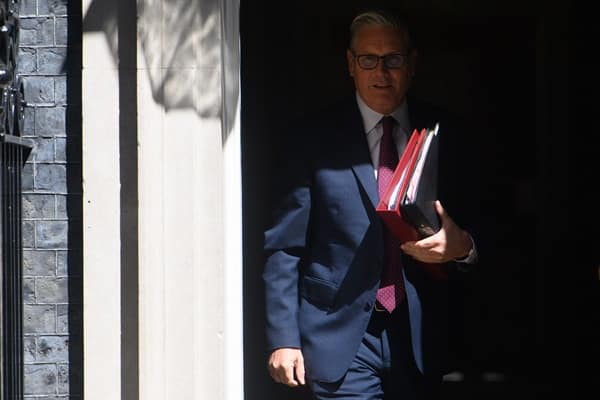
The uncertainty comes after outgoing Prime Minister Keir Starmer announced a four-year defence investment plan that promised an additional £15bn for the armed forces as part of a wider attempt to modernise military capability.
However, questions have quickly emerged over how the pledge will be funded, with officials unable to identify clear sources for a significant portion of the spending commitment.
While Downing Street has pointed to planned fiscal adjustments and future budget allocations, it has not set out how the remaining shortfall—estimated at more than £10bn after earlier commitments—will be covered.
The lack of clarity has intensified scrutiny of the public finances and added pressure on the Treasury ahead of the next fiscal event, with analysts warning that defence spending pressures could crowd out other areas of government expenditure.
The issue is expected to land on the desk of Andy Burnham, who is widely expected to play a leading role in the next administration’s economic decision-making.
Opposition figures have accused ministers of failing to match spending promises with credible funding plans.
Shadow Defence Secretary James Cartlidge said the announcement had already begun to unravel, arguing that the plan risked becoming politically symbolic rather than financially deliverable.
He warned that the Government had “failed to take the tough decisions needed to keep the country safe”, pointing to what he described as a growing gap between ambition and affordability.
The defence pledge comes at a time of persistent strain on the UK’s fiscal position, with higher borrowing costs and ongoing demands across health, welfare and infrastructure already limiting room for manoeuvre.
Analysts say that without clear offsets, the commitment risks forcing trade-offs elsewhere in the budget, either through tax rises, spending restraint in other departments, or additional borrowing.
The defence plan was intended to signal a long-term shift in military readiness, but uncertainty over funding has quickly become the dominant political issue.
With global tensions rising and pressure increasing on NATO members to raise defence spending, the UK’s ability to reconcile strategic commitments with fiscal constraints is likely to remain under close scrutiny.
For now, the absence of a clear funding mechanism has left a central pillar of the Government’s defence strategy exposed to political and financial uncertainty.


Leave a Comment