
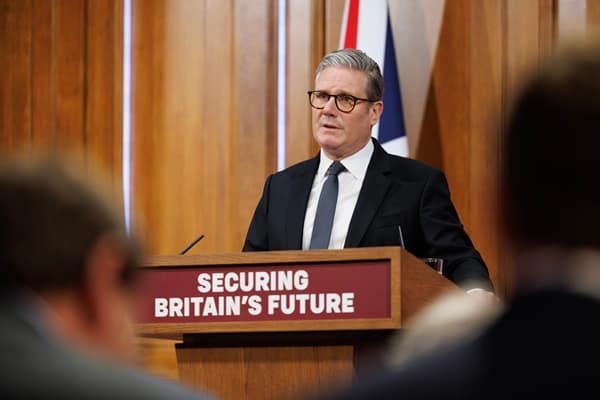
The Prime Minister Keir Starmer has stated that the government is ‘doing everything we can to support our small businesses,’ but many SMEs are grappling with rising costs and operational challenges that are undermining their growth potential.
The Bank of England’s decision to maintain the base interest rate at 4% until 2026 offers UK SMEs a rare opportunity amidst these ongoing economic challenges.
This stability is crucial as inflation remains at 3.8%, creating a complex landscape that demands careful navigation by businesses.
However, while stable interest rates can provide predictable borrowing costs – enabling SMEs to plan investments and manage cash flow – persistent inflation means that operational expenses are still rising, putting pressure on profit margins across various sectors.
Different industries are feeling the effects of the current economic climate in unique ways.
The retail sector is struggling with rising costs of goods and labour, which are forcing many businesses to pass on these expenses to consumers, often resulting in decreased sales.
The hospitality and leisure industries are still recovering from the pandemic’s destructive impact, grappling with fluctuating demand as consumers adjust their spending habits in light of the cost-of-living crisis.
Service-based industries are facing challenges related to talent retention as increasing wage bills make it difficult to maintain competitive salaries while continuing to invest in growth.
For SMEs to truly thrive, we need to see a comprehensive approach that effectively addresses the rising costs of doing business. The government’s Small Business Plan, with its emphasis on tackling late payments and improving access to finance, marks a promising start, and while initiatives such as appointing a Small Business Commissioner and introducing a £4 billion support package are certainly positive steps forward, they won’t adequately alleviate the ongoing financial strain that SMEs are contending with on a daily basis.
The reality is that SMEs are looking for clarity and support that can empower them to innovate, expand and hire more staff: this requires not just reactive measures, but proactive strategies that will encourage long-term confidence in business owners and investors. Starmer’s recognition of the challenges faced by SMEs will doubtless be appreciated, as many report feeling ‘ignored’ by the government to date, but the impact of these statements will hinge on their translation into actionable policies that deliver tangible business benefits.
To build a more resilient environment for small businesses, the government needs to take bolder action which directly confronts the multifaceted challenges – from inflation to access to finance, regulatory burden to economic uncertainty – facing SMEs today. We need to see targeted policies that address those immediate financial pressures and stimulate long-term growth.
If the goal is to protect Britain’s small businesses, Keir Starmer and his government must take decisive action which will directly address the diverse needs of SMEs across all sectors. This is the only way to enable small businesses to thrive and contribute to a robust and resilient economy in the UK.


Leave a Comment