
The UK is heading towards an economic “cliff edge” unless ministers act urgently to shield households from a fresh surge in living costs, the SNP’s Westminster leader has warned, as fears mount over the impact of Middle East tensions on inflation and interest rates.
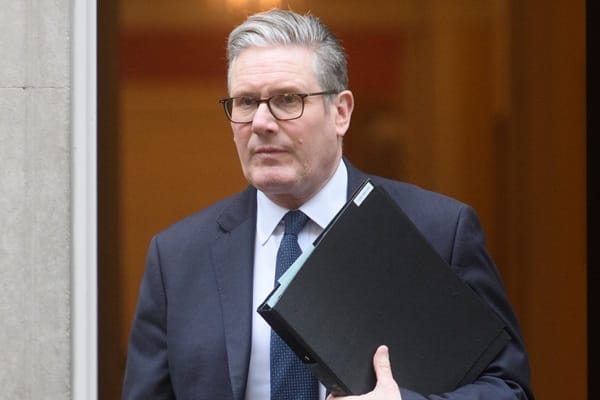
Stephen Flynn said the Government was “asleep at the wheel” at a moment of growing economic peril, accusing Keir Starmer of failing to prepare for what he described as a looming “economic catastrophe”.
His intervention follows the latest decision by the Bank of England to hold interest rates at 3.75 per cent, while warning that the outlook remains highly uncertain as geopolitical tensions threaten to drive up energy prices and feed through into broader inflation.
Officials have signalled that in a worst-case scenario, inflation could climb as high as 6.2 per cent and remain above the Bank’s 2 per cent target for several years. Financial markets are already bracing for multiple rate rises, potentially pushing borrowing costs significantly higher.
Such a shift would have immediate consequences for households, particularly those with mortgages, as well as businesses already grappling with weak demand and rising input costs.
Mr Flynn said the risks were clear and accelerating. “The UK is facing an economic catastrophe, but the Labour Government has done nothing, has no idea how to fix the mess and is completely unprepared for the devastation that is coming,” he said.
He argued that families and businesses were being squeezed from all sides, with higher fuel prices, food costs and borrowing rates combining to erode living standards.
The SNP has called for an emergency package of support, including the temporary removal of VAT on fuel, the cancellation of planned fuel duty increases and the introduction of a household energy price cap to limit further bill rises.
Mr Flynn pointed to countries such as Ireland as examples of more proactive intervention, suggesting that the UK risked falling behind in its response to the crisis.
The remarks come at a politically sensitive moment, with the SNP seeking to draw a sharp contrast between its approach in Scotland and the UK Government’s ahead of upcoming elections.
He claimed that John Swinney’s administration was “laser-focused” on supporting households, while Westminster lacked a coherent plan.
The Government has so far resisted calls for sweeping new interventions, with ministers wary of fuelling inflation further or undermining fiscal stability. However, the combination of rising energy prices and persistent inflationary pressures is narrowing the room for manoeuvre.
The conflict in the Gulf has added a fresh layer of uncertainty to the economic outlook, driving volatility in oil markets and raising concerns about a renewed energy shock similar to that seen in previous crises.
For households, the implications are stark. Mortgage costs could rise further, while everyday expenses remain elevated, prolonging the squeeze on disposable incomes.
The Bank of England Monetary Policy Committee has indicated it stands ready to act if inflationary pressures intensify, raising the prospect that the current pause in rate rises may prove temporary.
With markets now pricing in further tightening and policymakers warning of persistent risks, the debate over how to respond is set to intensify.
Whether the Government opts for targeted support or maintains its current course, Mr Flynn’s warning underscores a broader anxiety: that the UK economy, already fragile, could be pushed closer to the edge if external shocks continue to build.
Chancellor Rachel Reeves said: “The war in the Middle East is not our war, but it is one we have to respond to.
“Every choice I make will be about keeping costs down for families and businesses, without repeating the mistakes we’ve seen in the past that resulted in higher inflation and higher interest rates.
“We entered this conflict in a stronger position because of the choices this Government took to build economic stability, and we are going further to take back our energy security, backing British industry and protecting households, to build a Britain that is stronger, more resilient, and prepared for the future.”


Leave a Comment