
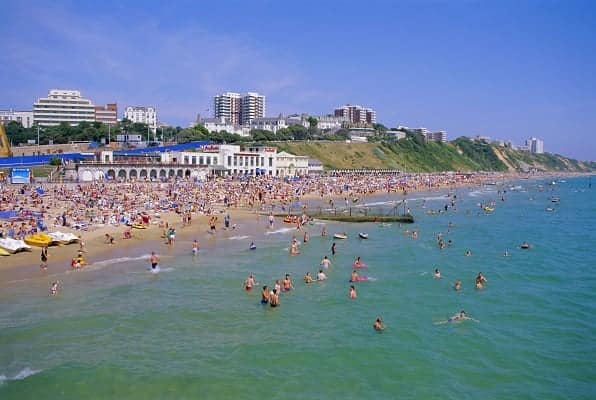
Britain’s extreme heat warning has been extended as rising temperatures threaten to reshape consumer behaviour, increase health pressures and create fresh challenges for businesses already facing higher operating costs.
The UK is preparing for a period of intense heat after forecasters extended an amber extreme heat warning into Monday and Tuesday, with temperatures expected to reach 36C to 37C in parts of the country.
The weather event is more than a short-term discomfort. It is expected to test infrastructure, household finances and business operations as consumers adapt to soaring temperatures.
Health experts have warned that the heat will create particular risks for vulnerable groups, including people managing high blood pressure and those taking medications that can affect the body’s ability to regulate hydration.
High temperatures force the heart to work harder, increasing circulation demands and placing additional strain on the body. Some medicines, including certain beta blockers and diuretics, can also make it harder for people to cope with extreme conditions.
Pharmacists have urged those at risk to increase fluid intake, avoid prolonged exposure to heat and monitor symptoms carefully.
GB News reported that Robert Bradshaw, Superintendent Pharmacist at Oxford Online Pharmacy, said: “High temperatures and humidity can be a bad combination for anyone who suffers from high blood pressure, as the hot weather causes the heart to beat faster, circulating twice as much blood around the body.”
The economic effects of extreme weather are also becoming increasingly important for businesses.
Retailers, hospitality operators and outdoor attractions may see shifts in consumer behaviour, with some benefiting from increased demand for summer activities while others face disruption from heat-related challenges.
Workers exposed to high temperatures may experience reduced productivity, while companies could face additional costs linked to cooling systems, energy usage and workplace adjustments.
For households, the heatwave brings another reminder of the rising cost of managing everyday life. Increased demand for electricity, cooling equipment and summer essentials could add pressure at a time when many consumers remain cautious.
Dehydration is expected to be one of the biggest risks as temperatures climb. Adults typically require around 1.5 to 2.5 litres of fluid daily, with higher levels needed during prolonged heat.
Warning signs include dizziness, fatigue, headaches, nausea and dark urine — symptoms that indicate the body is struggling to maintain normal fluid levels.
Experts have also warned about increased insect activity, heat rash and the dangers of heat stroke, which can develop when the body is unable to cool itself effectively.
“This can result in you feeling extra thirsty, tired or dizzy, or experience headaches, constipation or even nausea. Plus, you’re likely to have dark, strong-smelling pee,” Mr Bradshaw warned.
Heat stroke can become life-threatening, with symptoms including confusion, weakness, vomiting and changes in behaviour. Emergency advice includes moving affected people to a cooler environment, applying cold packs and encouraging fluid intake where possible.
The immediate focus will be on protecting vulnerable people and preventing avoidable illness.
But the wider lesson for businesses and policymakers is becoming clearer: extreme weather is no longer a rare disruption. It is an emerging economic factor that affects health systems, consumer patterns and the resilience of the UK economy.


Leave a Comment