
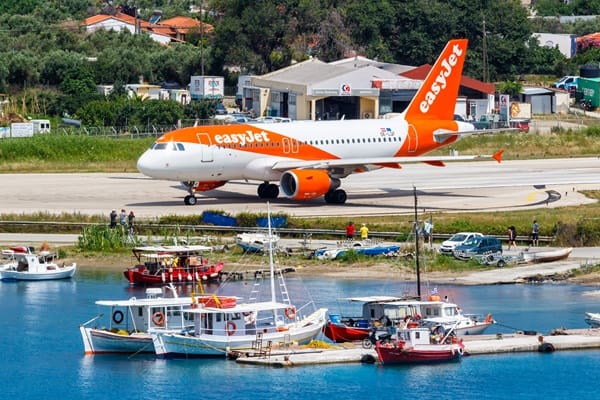
EasyJet has become the latest battleground for overseas investors after US private equity giant Apollo agreed a £5.7 billion takeover proposal, eclipsing a rival bid from Castlelake and raising fresh questions about the future of another major British company.
The Luton-based airline said it had reached an agreement in principle on an offer worth £7.15 per share, prompting its board to withdraw support for Castlelake’s earlier £6.90-a-share proposal.
If completed, the deal would remove one of Britain’s best-known airlines from the London Stock Exchange, adding to a growing list of UK-listed companies falling into foreign ownership as international investors hunt for undervalued British assets.
Apollo’s intervention has triggered a transatlantic bidding war just days after easyJet’s board indicated it was prepared to recommend Castlelake’s £5.5 billion proposal.
The higher offer, valuing easyJet’s fully diluted share capital at approximately £5.7 billion, has now shifted momentum decisively in Apollo’s favour.
The private equity group has until August 7 under UK takeover rules to submit a formal bid.
In a statement, easyJet said Apollo’s proposal “delivers a superior outcome” for shareholders, adding that the board was “no longer minded” to recommend Castlelake’s offer.
The contest reflects a wider trend that has gathered pace across UK financial markets.
International investors, particularly US private equity firms, have increasingly targeted British companies, attracted by comparatively low valuations, resilient cash generation and a weaker pound relative to the dollar.
Should Apollo succeed, easyJet would become another household British name to leave public markets, further shrinking London’s stock market at a time when policymakers are attempting to restore its competitiveness.
The prospect is likely to reignite debate over whether Britain’s listed companies are being systematically undervalued compared with overseas peers.
Founded in 1995 by Sir Stelios Haji-Ioannou, easyJet transformed European short-haul aviation by pioneering the low-cost carrier model.
Today it operates one of Europe’s largest airline networks and remains one of the UK’s most recognisable transport brands.
Apollo sought to reassure investors by stressing it intends to retain the easyJet brand and views its workforce as central to the airline’s future.
The investment group said preserving key staff would be of “paramount importance” following any acquisition.
Sir Stelios and his family, who retain a stake exceeding 15 per cent, stand to receive a substantial windfall should shareholders approve the transaction.
The battle for easyJet comes at a sensitive moment for UK capital markets.
Successive takeovers of listed British businesses have fuelled concerns that London’s equity market is losing depth as companies increasingly become acquisition targets rather than long-term listed investments.
For shareholders, Apollo’s intervention has created the prospect of a higher cash return.
For the City, however, the proposed deal represents another reminder of the intense international appetite for British corporate assets — and another test of London’s ability to retain its biggest listed companies.


Leave a Comment