
The UK economy flatlined in January, showing a lack of resilience before the energy crisis hit.
FTSE 100 is set to open flat after the S&P 500 fell 1.52% to the lowest level since mid-November 2025.
Crude prices stay above $100 a barrel, despite efforts to shore up supply, with the US planning to buy Russian oil.
Financial stocks feel the fallout from the Middle East conflict.
Governments under pressure to alleviate consumer pain, with price gouging at UK forecourts the focus for the UK government.
Susannah Streeter, chief investment strategist, Wealth Club said: ‘’Worries about how the UK economy will withstand the energy crisis have ratcheted up after a highly disappointing report card showed growth stalled in January.
“The Office for National Statistics painted a picture of stagnation for the UK, with the mighty services sector flatlining and production contracting, with the construction sector only just eking out growth. It doesn’t bode well for the resilience of companies ahead, faced with escalating energy prices which are likely to see many businesses battening down the hatches, putting investment plans on hold while hoping the storm subsides.
“Stagflation is stalking the UK economy, with inflation set to rise while stagnation settles in, with risks increasing that the economy could go into reverse.
“The harsh winds blowing over the global economy show little sign of calming. The FTSE 100 is set to end the week on a cautious note, with stocks on Wall Street hitting the lowest level since last November. Oil prices are staying hot, with the benchmark Brent crude hovering stubbornly above $100 a barrel as the conflict involving Iran looks increasingly intractable.
“The energy shock which has rocked markets shows little sign of abating at the end of a turbulent week. Multiple interventions, including the unprecedented release of 400 million barrels of emergency supplies coordinated by the International Energy Agency, have not been able to counter mounting concern about severe disruption to global oil output and distribution.
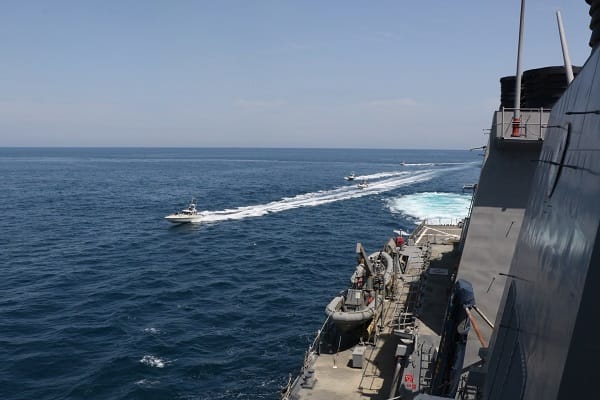
“A statement purportedly from Iran’s new supreme leader pledged to continue to block the Strait of Hormuz, and with three attacks on ships it has become a no-go area for major shipping companies.
“It means supplies from Iraq, Kuwait and Qatar are largely stranded. While oil from the UAE and Saudi Arabia can be transported through pipelines, overall levels exported are still severely restricted. The strait may be narrow, but its effective closure is having broad repercussions around the world, especially for nations highly reliant on energy imports.
“There are reports that China and India are in discussions with Iran to enable some of their flagged ships to travel through the Strait, but it’s highly unclear when that could take place. Pledges from the Trump administration that the US Navy will escort tankers still seem a far-off promise.
“As energy prices stay highly elevated, it’s helping to fuel Moscow’s war machine. The decision by the US to suspend some sanctions and allow the purchase of Russian crude already at sea underlines just how concerned the administration is about rising gasoline prices denting President Trump’s popularity and the Republicans’ electoral chances.
“With Iran threatening to widen its attack net, US banks operating in the Gulf are closing down amid fears of strikes on financial institutions supporting the action by the US and Israel.
“Banks with significant exposure to the Middle East have suffered losses this week as shareholders fret about the length of the conflict and the effect on consumer and business sentiment across the region. As the conflict becomes more complex, with repercussions for industries mounting up, domestic political pressure is set to grow to limit the impact on companies and consumers.
“UK Chancellor Rachel Reeves and Energy Secretary Ed Miliband are meeting fuel forecourt operators accused of profiteering from the energy crisis.
“While the Competition and Markets Authority’s recent investigation, prompted by price hikes after the war in Ukraine broke out, did not prove there was a cartel operating, retail margins have been increasing sharply in recent years.
“The Fuel Finder service, launched last month to enable motorists to find better deals locally, has exposed a sharp disparity in prices available, with costs rocketing in some areas. Accusations of price gouging will keep rising, and the watchdog is expected to show more teeth in levying fines on retailers who show a lack of transparency over costs.
“For now the government is resisting calls to again delay the planned phased introduction of higher fuel duties. The 5p reduction introduced in 2022 was due to be reversed starting from September. The longer the conflict continues, the louder the clamour will be for more help for consumers and companies hit by the painful repercussions of the conflict involving Iran.”


Leave a Comment