
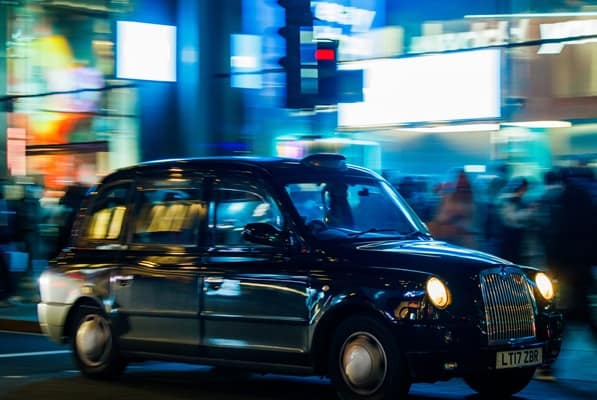
Britons face higher taxi fares after a local authority moved to raise maximum charges in response to rising fuel prices linked to instability in the Middle East.
North Yorkshire Council has proposed increasing taxi fares by around 5 per cent, warning that sharp increases in petrol and diesel prices are squeezing the trade’s viability.
The council said fuel prices have risen significantly since the escalation of conflict in the Middle East, with petrol up by 18 per cent and diesel rising by 32 per cent since fare levels were last set in July 2024.
Under the proposals, the daytime mileage rate for hackney carriage journeys between 7am and 10pm would rise from £2.22 to £2.33 per mile, while waiting time charges would increase from £20.23 to £21.24 per hour.
Higher tariffs are also planned for evening and night-time journeys, with additional increases proposed for Christmas and New Year periods, when demand typically peaks.
Councillor Richard Foster said regular reviews were necessary to ensure the sector remained sustainable amid rising operating costs.
He said taxi services played a “vital” role in local communities, including school transport, late-night travel and support for rural mobility.
The council emphasised that the changes would apply only to hackney carriage vehicles, which are either hailed on the street, used at taxi ranks or pre-booked.
Officials also pointed to wider financial pressures on drivers, estimating average vehicle running costs at more than £3,000 per year, driven largely by fuel and maintenance expenses.
While the authority acknowledged the impact on passengers, it said fare caps were intended to provide “certainty, consistency and protection” against excessive pricing.
Taxi operators would still be free to charge below the maximum rates if they chose to do so.
The proposed rise comes amid broader concerns across the transport sector over inflationary pressure linked to global energy markets and geopolitical instability.
Industry groups have warned that rising fuel costs are placing additional strain on commercial drivers, with calls for targeted support and tax relief for essential transport operators.
The Road Haulage Association has previously urged the government to reconsider planned fuel duty increases, arguing that operators are already working on “razor-thin margins” and face mounting cost pressures.
If approved, the new taxi fare structure would mark another example of everyday transport costs being pushed higher by global energy market volatility, with passengers ultimately bearing much of the increase.


Leave a Comment