
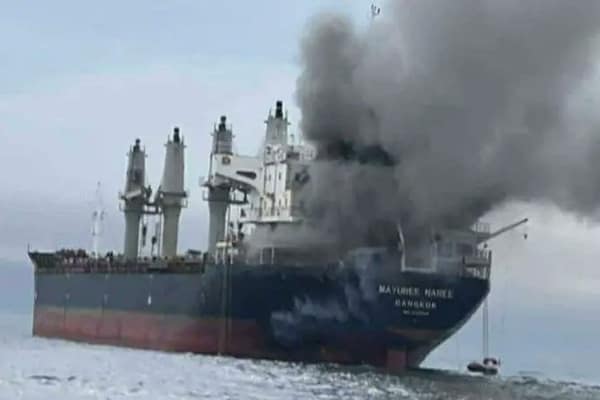
The blockage of the Strait of Hormuz will have far-reaching consequences for the UK, particularly for food costs, inflation, and the overall cost of living, including energy prices.
This comes as Iran’s newly appointed supreme leader, Ayatollah Mojtaba Khamenei, declared on Thursday that Tehran will continue to assert control over the Strait of Hormuz.
The Strait of Hormuz serves as a critical conduit for global trade, with approximately 20–30% of all fertiliser shipments passing through this vital waterway.
This includes essential fertilisers such as nitrogen and ammonia, which are crucial for agricultural production.
Should the strait remain blocked for an extended period, we can expect a significant increase in fertiliser prices.
This price surge would severely impact UK farmers, who already rely heavily on imported fertilisers to sustain their crop yields.
Higher fertiliser prices could reduce agricultural productivity and increase food production costs, inevitably affecting consumers. Key staples—such as bread, pasta, potatoes, vegetables, and livestock feed—are particularly vulnerable, as their prices could rise substantially.
Economic analysts project that grocery inflation could rise by 1–3 percentage points above current levels if fertiliser prices continue to rise.
At present, grocery inflation stands at approximately 4.3%, and any further increases could intensify the financial strain on households across the UK.
Moreover, transportation costs are poised to escalate due to rising fuel prices. With petrol currently priced at around £1.40 per litre and diesel at over £1.55 per litre, the costs of transporting goods are likely to rise across the entire supply chain.
This increase will not only affect grocery costs but will ripple through various sectors that rely on transportation.
Adding to this challenging scenario, rising gas and electricity prices would compound the financial burden on households, particularly during the winter months when energy demand peaks.
Gas-fired power plants account for about 30% of the electricity generated in the UK; therefore, any increase in gas prices is expected to affect energy prices directly.
Regulatory bodies, including the Bank of England and Ofgem, may feel pressure to adjust the energy price cap in response to rising costs, potentially leading to electricity and gas tariffs increasing by more than 10%.
In summary, the convergence of rising food, energy, and transport costs could lead to a significant rise in UK inflation, potentially by several percentage points. This situation would further exacerbate the ongoing cost-of-living crisis, placing additional strain on households and leading to broader economic challenges. Addressing these issues will require careful monitoring and strategic interventions from government and economic authorities.


Leave a Comment